|
Antiques
|
|
 |
|
|
|
Price :
$6600.00
Origin: Egypt
Circa: 6000 BC to 4000 BC
Collection: Egyptian
Style: Neolithic
Medium: Flint
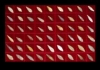
The creation of tools utilizing the natural environment is what distinguishes More »
Origin: Egypt
Circa: 6000 BC to 4000 BC
Collection: Egyptian
Style: Neolithic
Medium: Flint
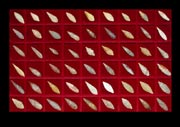
The creation of tools utilizing the natural environment is what distinguishes man from animal. What was once created using stone, wood, and bone has, over the centuries, evolved into metalworking and modern-day plastics. But it is the earliest tools, those carved from stone, which allowed mankind to conquer the natural environment and to prosper. Holding this flint arrowhead in our hand, delicately carved to a fine point thousands of years ago, we are holding the nascent breath of civilization. Tools allowed mankind to utilize his natural setting to its fullest potential, to altar the surroundings to suite his needs, and to create his own collective habitats that would eventually evolve into great cities. An arrowhead head like this one, when tied securely to a wooden shaft, could have been used to fell a fleeing prey or to spear a fish. As well, the delicate serrated edge could be used to cut and prepare the meat for cooking. This stone arrowhead represents the innate human drive to altar the environment, to innovate, and to conquer. It is in these earliest tools that we are able to witness the birth of civilization. From such tools, mankind learned to carve stones and rocks into new shapes and forms that suited the needs of the people evolving from arrowheads to temples. - (N.1081) « Less
|
|
Ancient Weapons
|
|
|
|
|
| Vendor Details |
Close |
| Contact Info : |
| Barakat Gallery |
| 405 North Rodeo Drive |
| Beverly Hills |
| California-90210 |
| USA |
| Email : barakat@barakatgallery.com |
| Phone : 310.859.8408 |
|
|
|
|
|
|
Price :
$25.00
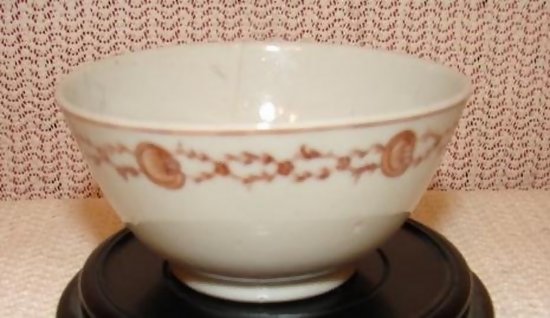
C.1800 Chinese Export Tea Bowl only measuring 3 3/8" in diameter and 1 3/4" in height and depth. The decoration going around he top outside is either a seashell or More »
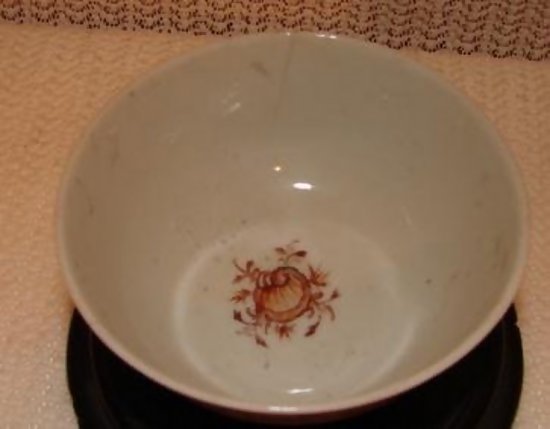
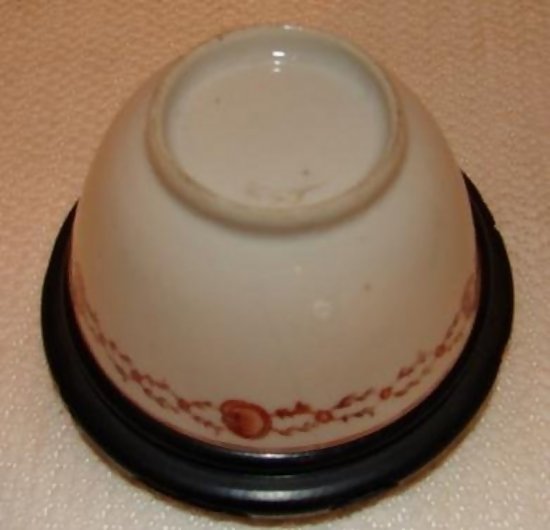
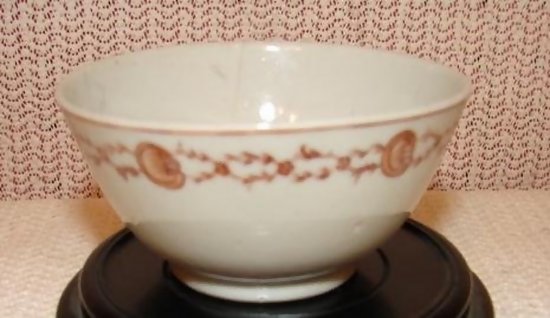
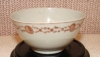
C.1800 Chinese Export Tea Bowl only measuring 3 3/8" in diameter and 1 3/4" in height and depth. The decoration going around he top outside is either a seashell or a snail. This same decoration is on the bottom inside of the tea bow. Their are several slight hairlines on the cup. Good Display piece and priced to sell. « Less
|
|
Asian Antiques
|
|
|
|
|
| Vendor Details |
Close |
| Contact Info : |
| Mimi's Antiques Inc. |
| P.O. Box 234 |
| Lewes |
| Delaware-19958 |
| USA |
| Email : mimisantiques@comcast.net |
| Phone : (443) 250-0930 |
|
|
|
|
|
|
Price :
$5.00
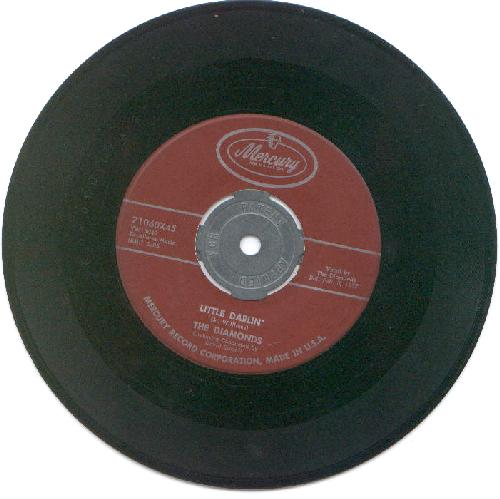
ORIGINAL 45 RPM RECORD by THE DIAMONDS on the Mercury Label. Condition: Good; Circa: 1950s; Heigth: ; Width:
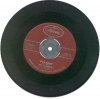
ORIGINAL 45 RPM RECORD by THE DIAMONDS on the Mercury Label. Condition: Good; Circa: 1950s; Heigth: ; Width: « Less
|
|
Photography
|
|
|
|
|
| Vendor Details |
Close |
| Contact Info : |
| Aversa Antique Gallery |
| Email : AversaAntiques@mindspring.com |
| Phone : (714) 777-3848 |
|
|
|
|
|
|
Price :
$120.00
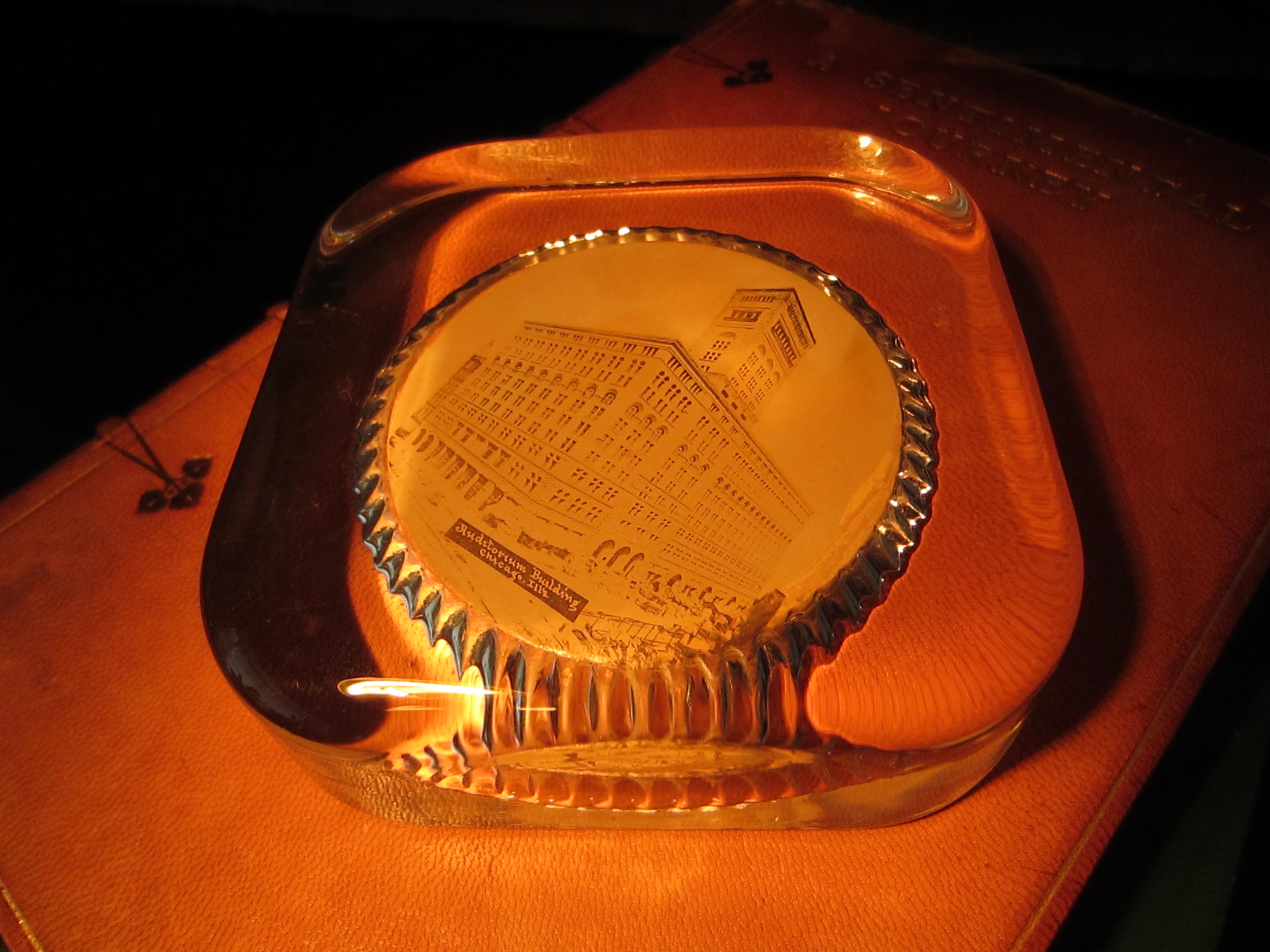
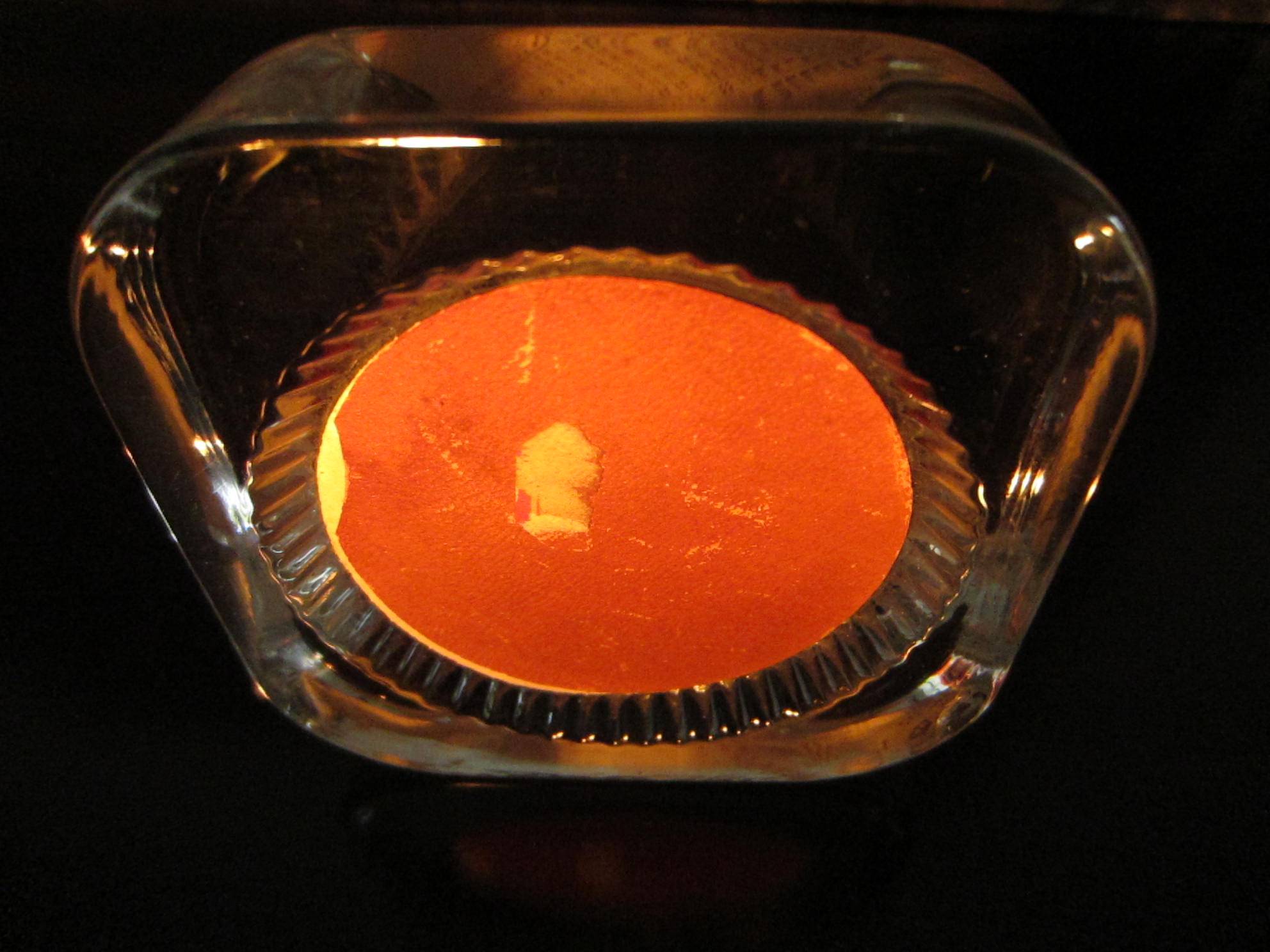
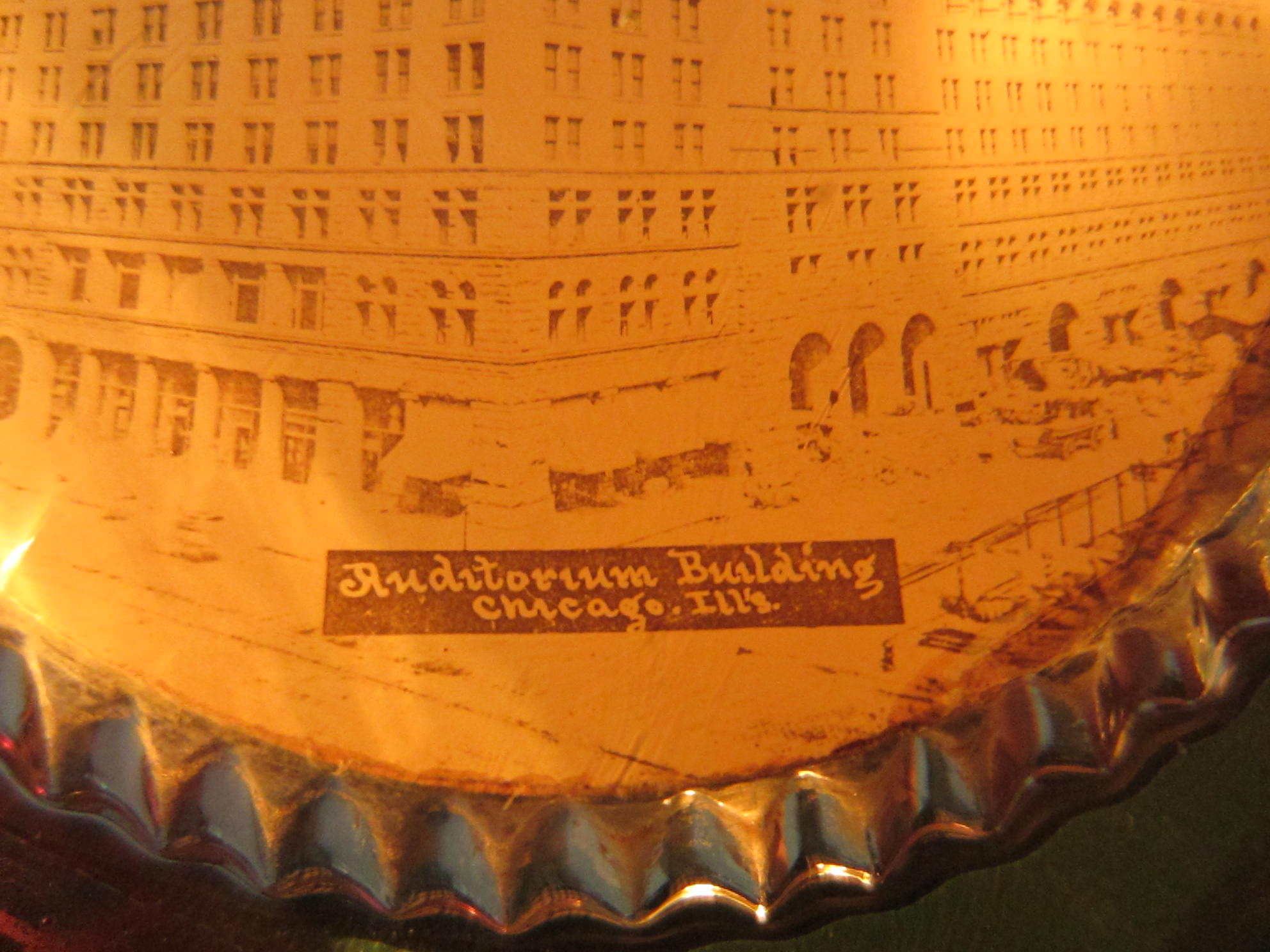
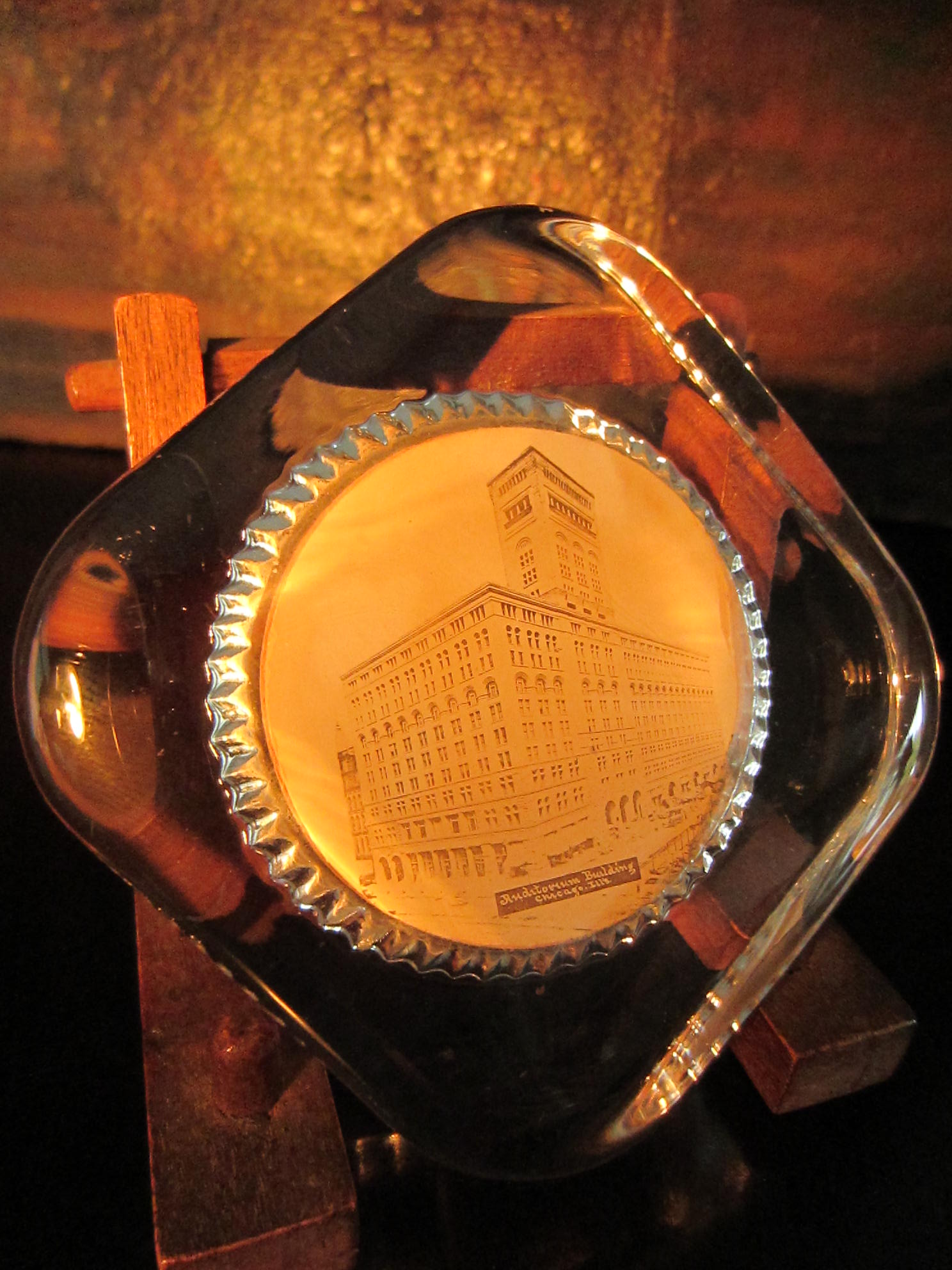
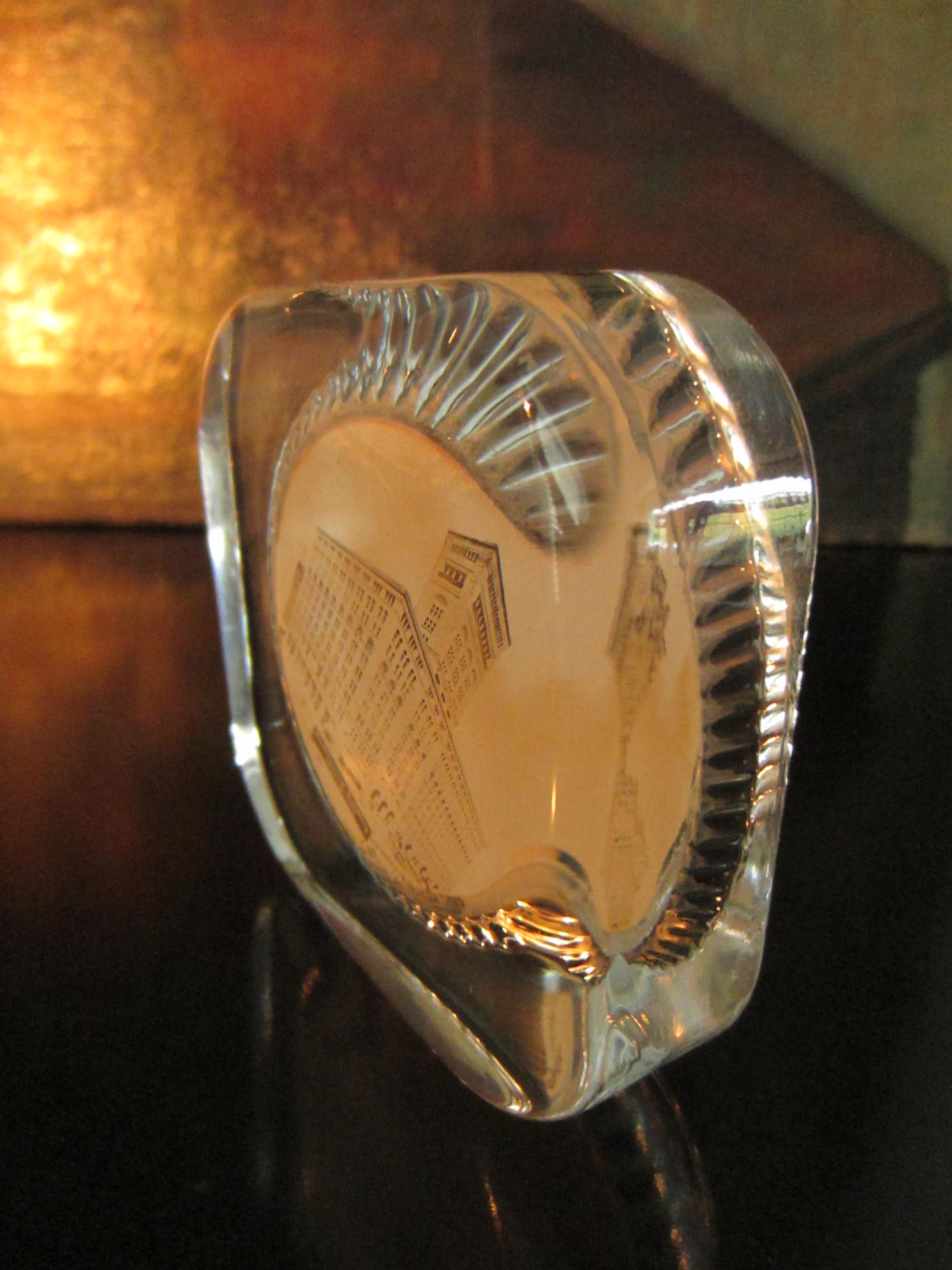
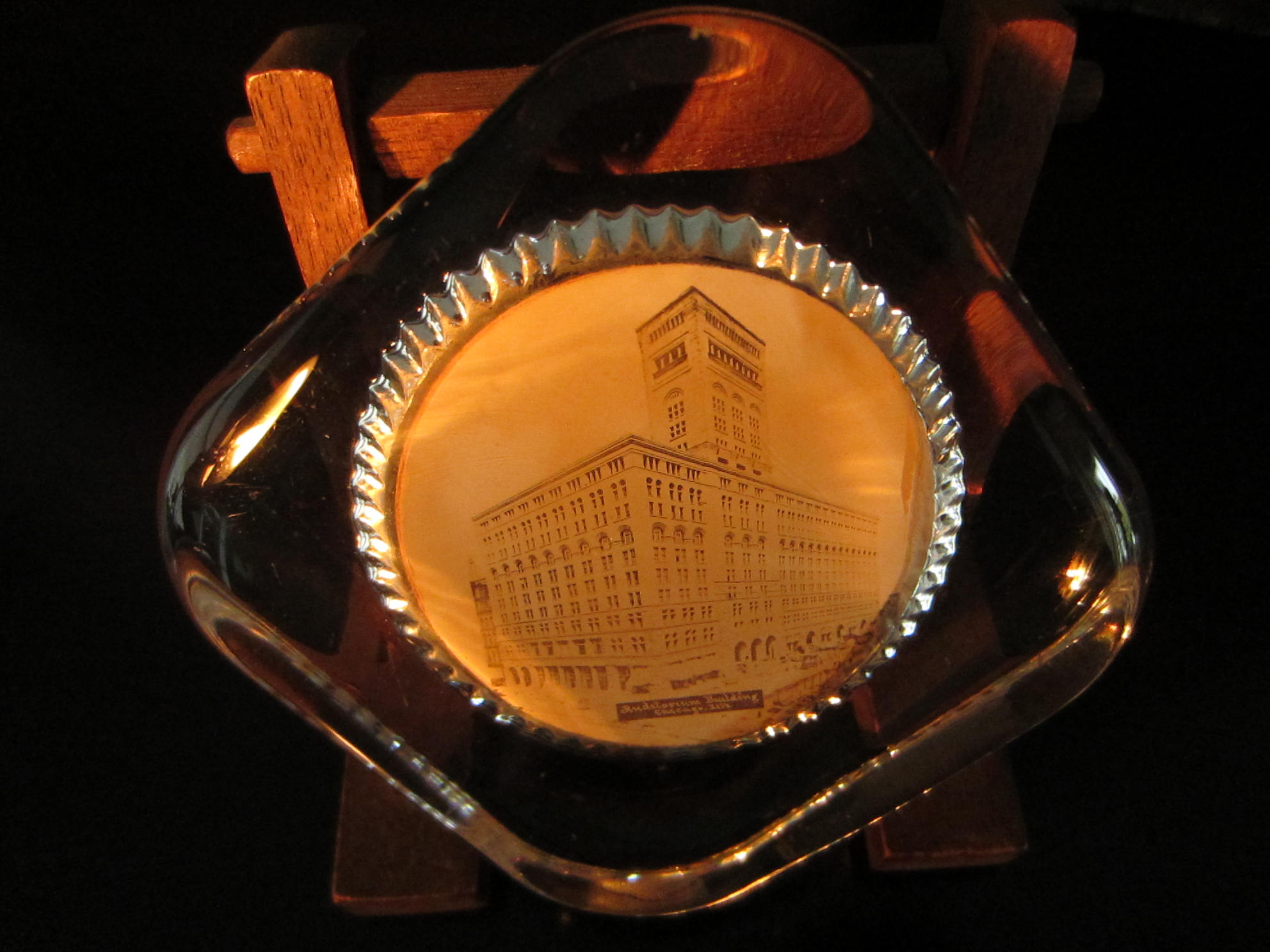
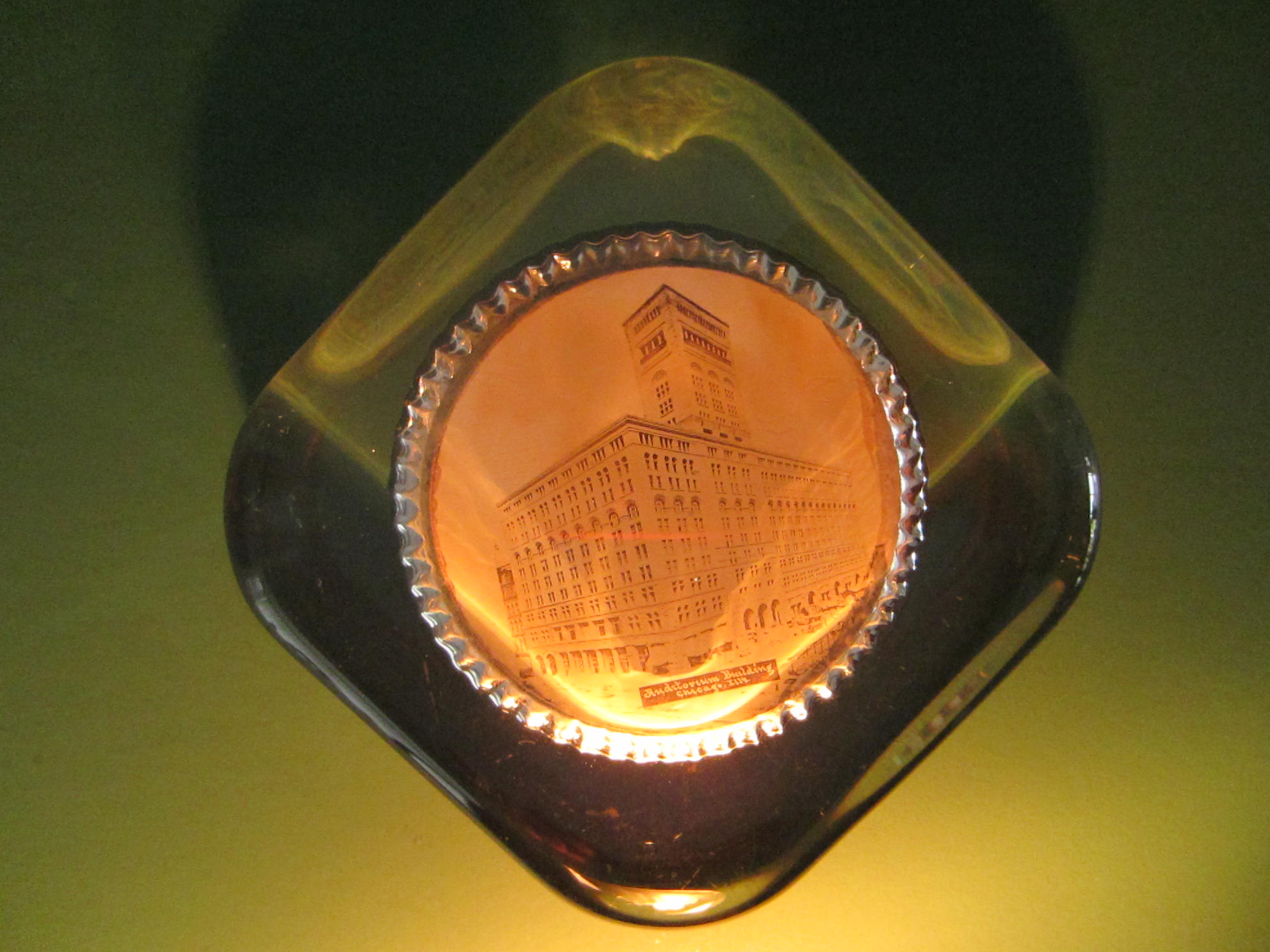
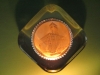
American glass paperweight inspires Auditorium Building, in Chicago, Illinois, noted on the image in fine print, secured with brown leather. Charming Glass Paperweight, in More »
American glass paperweight inspires Auditorium Building, in Chicago, Illinois, noted on the image in fine print, secured with brown leather. Charming Glass Paperweight, in excellent condition, normal wear. photographic view, leather support reverse. 1" x 3.5", aged. It is Unique, and memorable ! Reduced Price
for direct purchasing please visit designeruniquefinds.com
« Less
|
|
Antique Pressed Glass
|
|
|
|
|
| Vendor Details |
Close |
| Contact Info : |
| Carefree Interiors |
| Email : nazaninkatouzian@gmail.com |
| Phone : 9492796191 |
|
|
|
|
|
|
Price :
$55.00
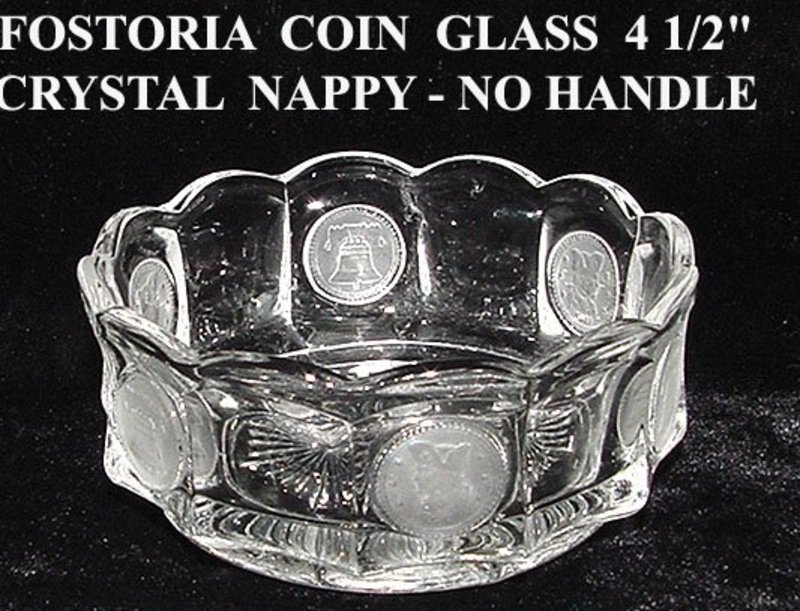
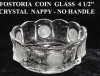
The 4 1/2" Rare Round Coin Glass Crystal No Handle Nappy made by the Fostoria Glass Company of Moundsville, West Virginia during the years 1960-1964. Height 1 3/4". Excellent More »
The 4 1/2" Rare Round Coin Glass Crystal No Handle Nappy made by the Fostoria Glass Company of Moundsville, West Virginia during the years 1960-1964. Height 1 3/4". Excellent Condition. No chips, cracks or scratches. Frosted Coins - Date 1887. More pieces available. « Less
|
|
Antiques
|
|
|
|
|
| Vendor Details |
Close |
| Contact Info : |
| Fostglass Original Glass Collectibles |
| 10 Totten Way |
| New Jersey-07950 |
| USA |
| Email : fostglass@optimum.net |
| Phone : contact via email |
|
|
|
|
|
|
Price :
$325.00
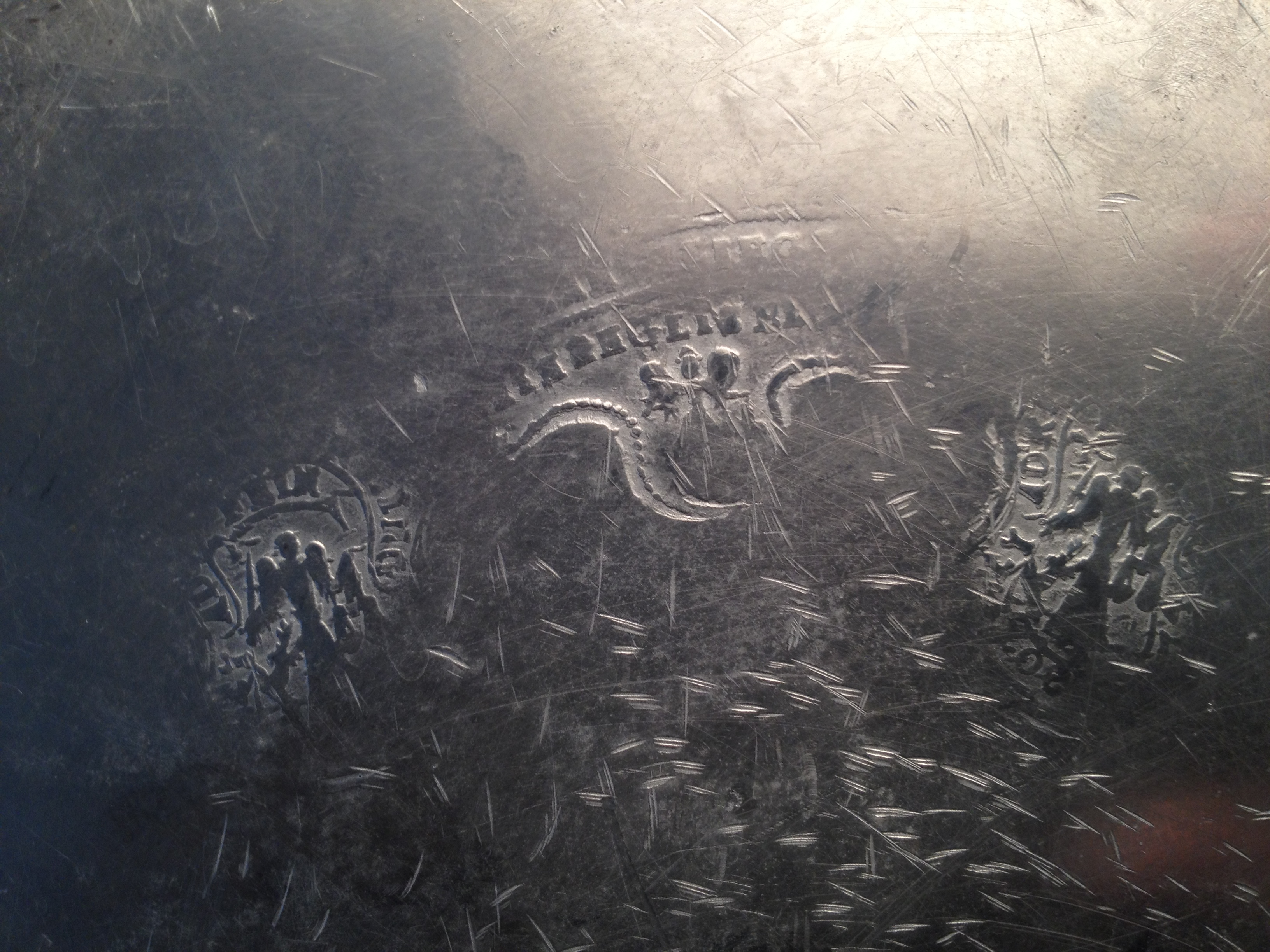
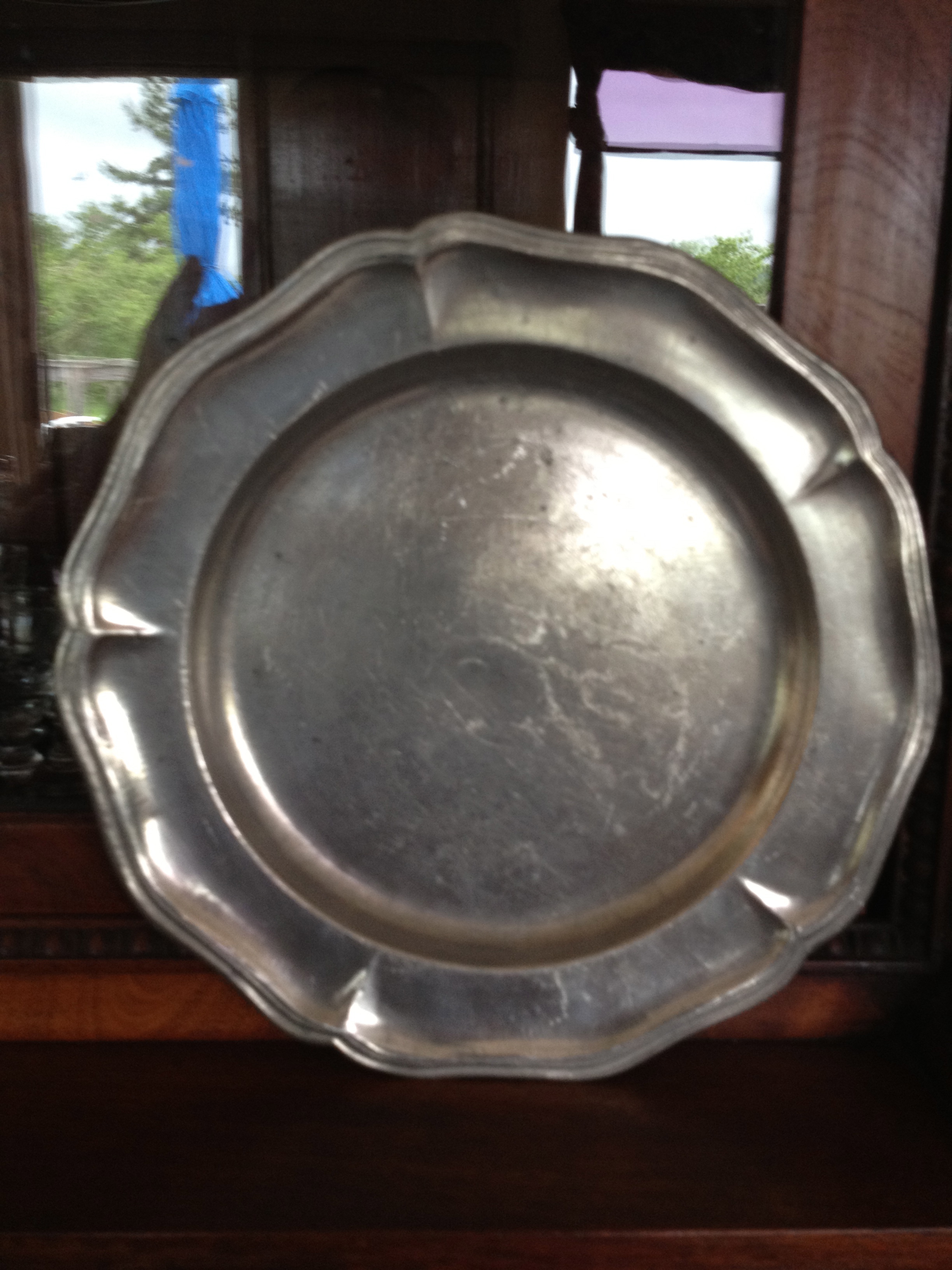
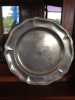
Fine Konigsberg pewter plate. Hallmarks are faded but distinct. Some surface etching, still maintains high shine on exterior rim.
Fine Konigsberg pewter plate. Hallmarks are faded but distinct. Some surface etching, still maintains high shine on exterior rim. « Less
|
|
Antiques
|
|
|
|
|
| Vendor Details |
Close |
| Contact Info : |
| Craig Frick |
| Email : Frick.online@gmail.com |
| Phone : 3604776840 |
|
|
|
|
|
|
Price :
Contact Dealer
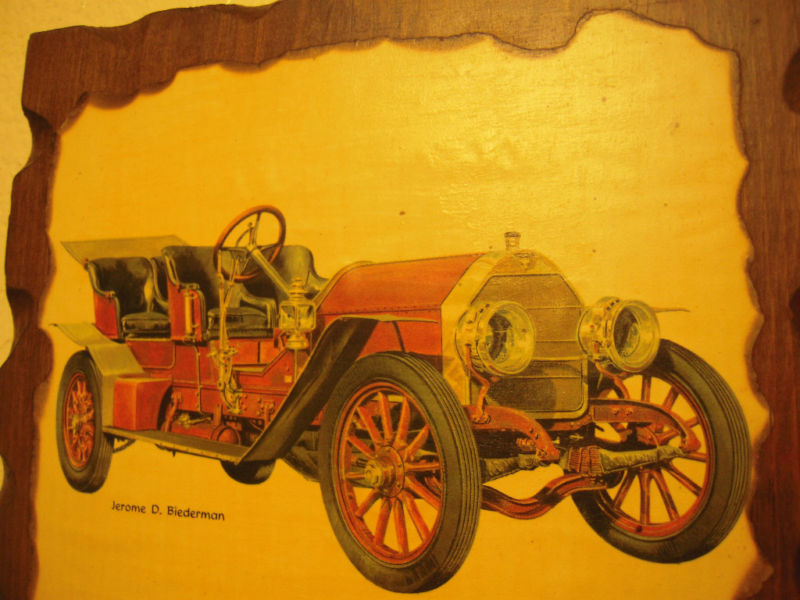
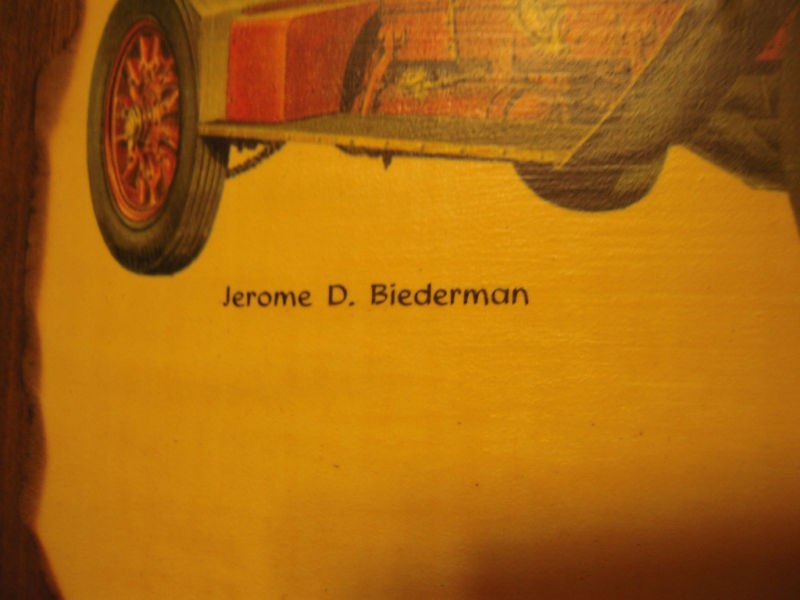
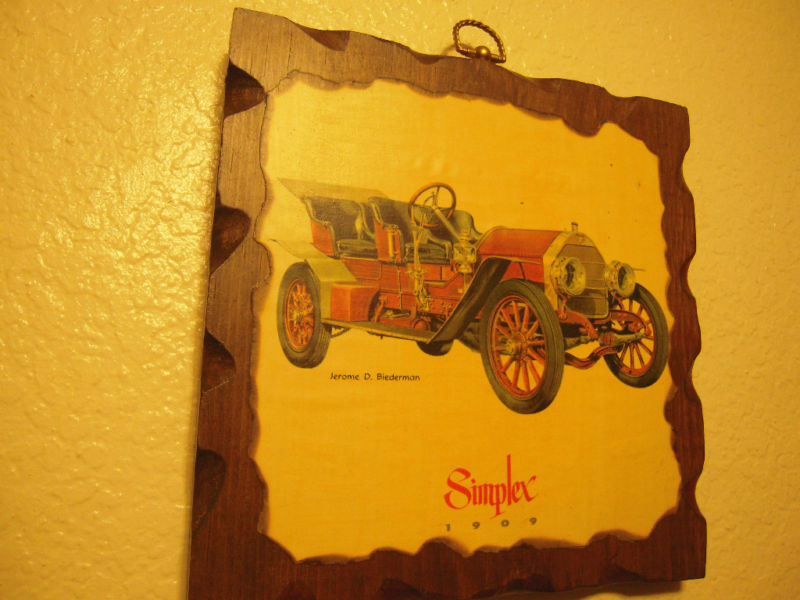
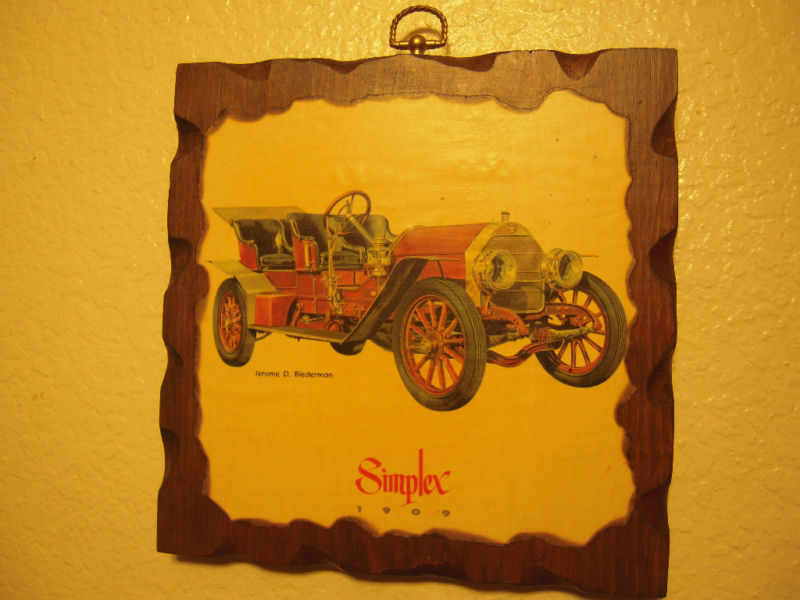
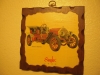
Here is a nice Print on Wood Plaque by Jerome D. Biederman SIMPLEX 1909. The paper print on the plaque has some scuff marks. The plaque is made of nice carved wood. The More »
Here is a nice Print on Wood Plaque by Jerome D. Biederman SIMPLEX 1909. The paper print on the plaque has some scuff marks. The plaque is made of nice carved wood. The plaque has some historical description in the back. The plaque hangs on the wall. The plaque measures 9.5" in height X 9.5" in length X about 1" thick. There is some wrinkling on the print. « Less
|
|
Vintage Items
|
|
|
|
|
| Vendor Details |
Close |
| Contact Info : |
| kgsbuys an ebay store |
| Email : kikisgiftshop@yahoo.com |
|
|
|
|
|
|
Price :
$8400.00
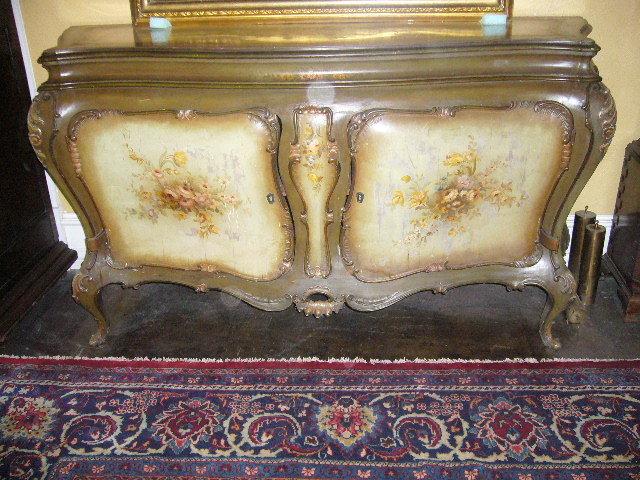
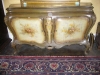
This decorative Italian commode is wonderful for so many designs! It has a gorgeous bombe shape and the hand painted floral scenes are on every panel and the top. It also has More »
This decorative Italian commode is wonderful for so many designs! It has a gorgeous bombe shape and the hand painted floral scenes are on every panel and the top. It also has very fine carvings and is a very well made piece in great condition! Tons of storage room below as you can see! Enjoy the pictures and please call for more details! 64L X 36H X 22D Circa,1900 Shipping and insurance are determined after checkout. (Item ID:VG549) « Less
|
|
Antique Commodes
|
|
|
|
|
| Vendor Details |
Close |
| Contact Info : |
| Legacy Antiques |
| 1406 Slocum St |
| Dallas |
| Texas-75207 |
| USA |
| Email : kate@legacyantiques.com |
| Phone : 214-748-4606 |
|
|
|
|
|
|
Price :
$55.00
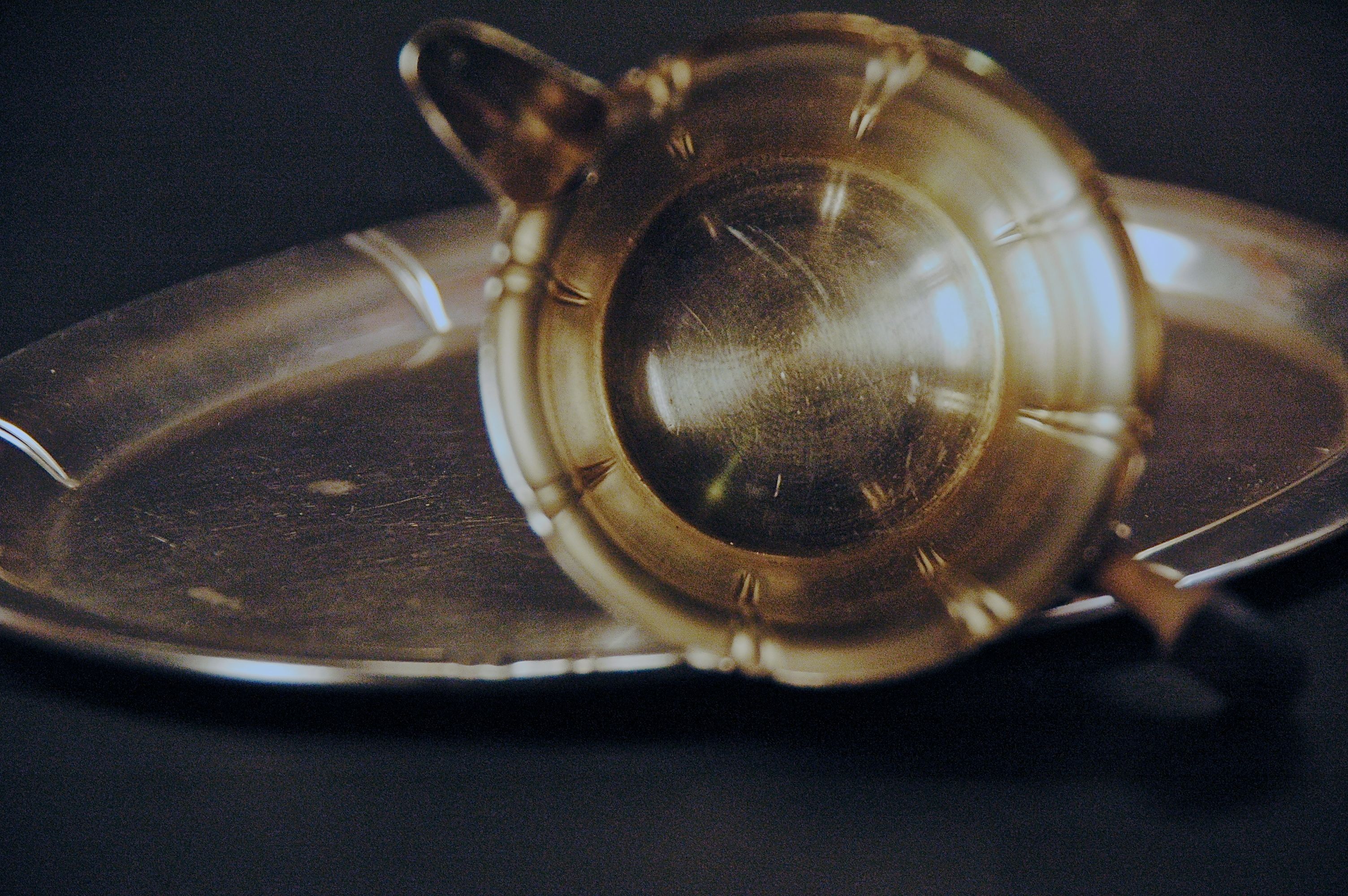
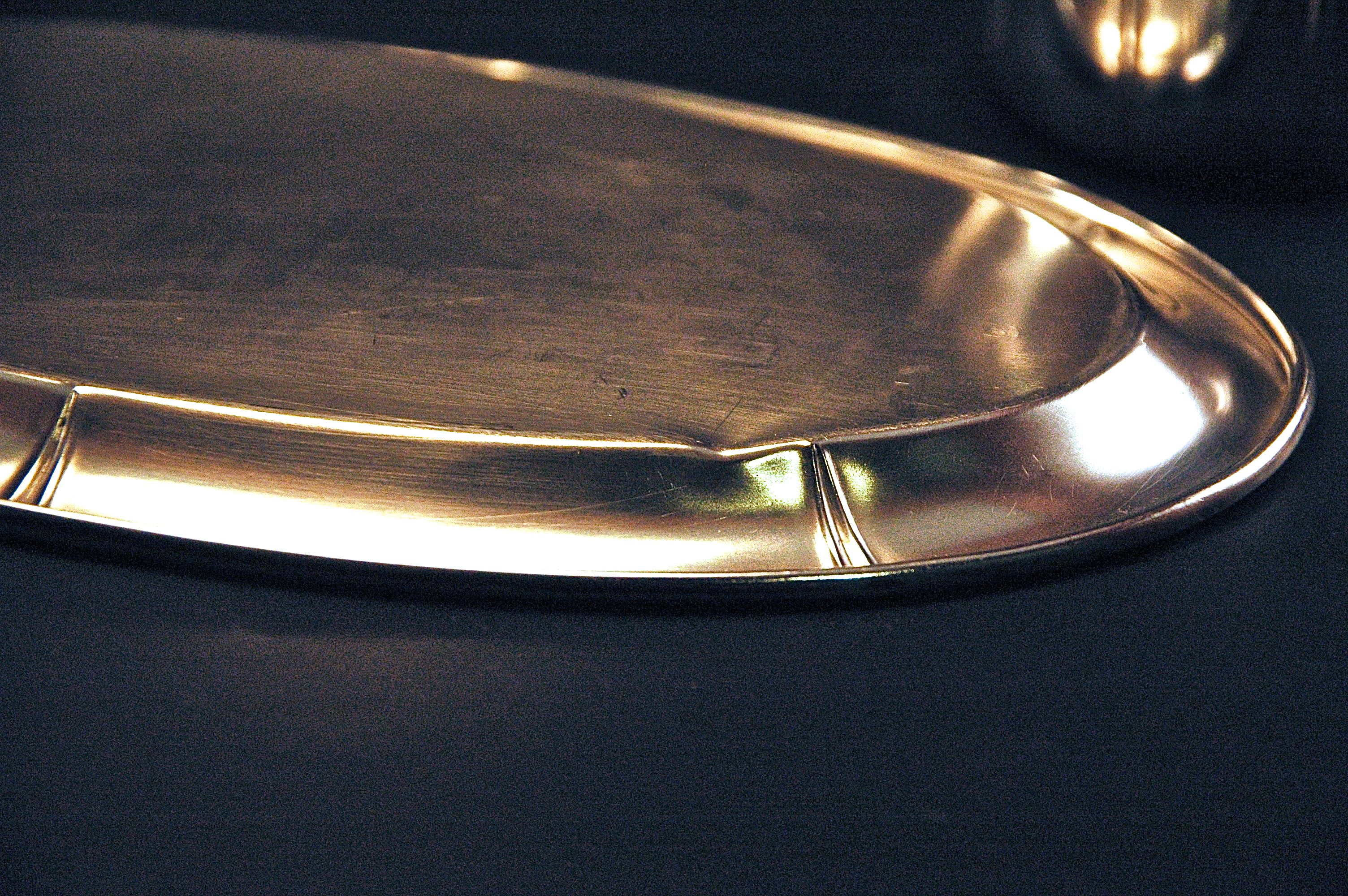
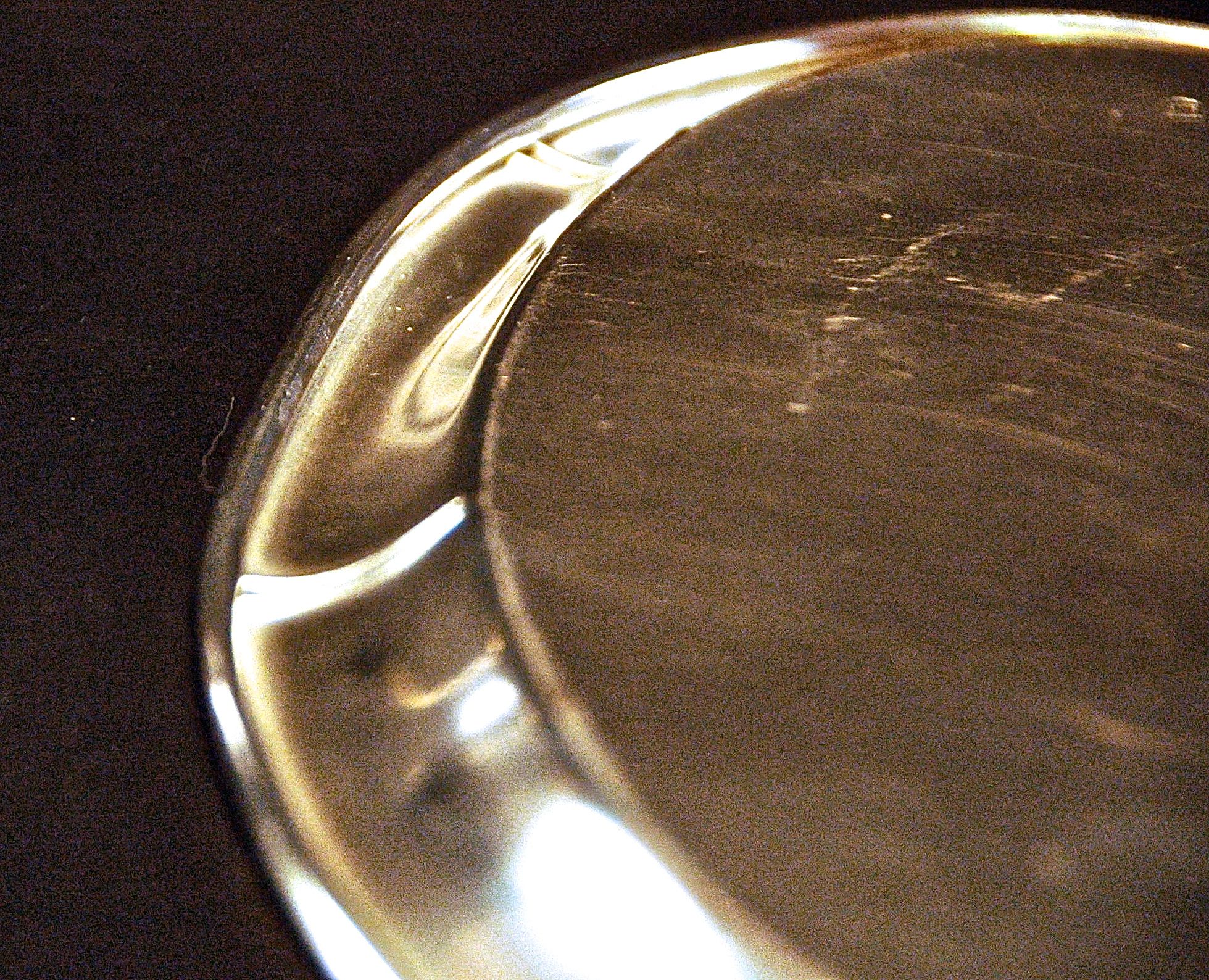
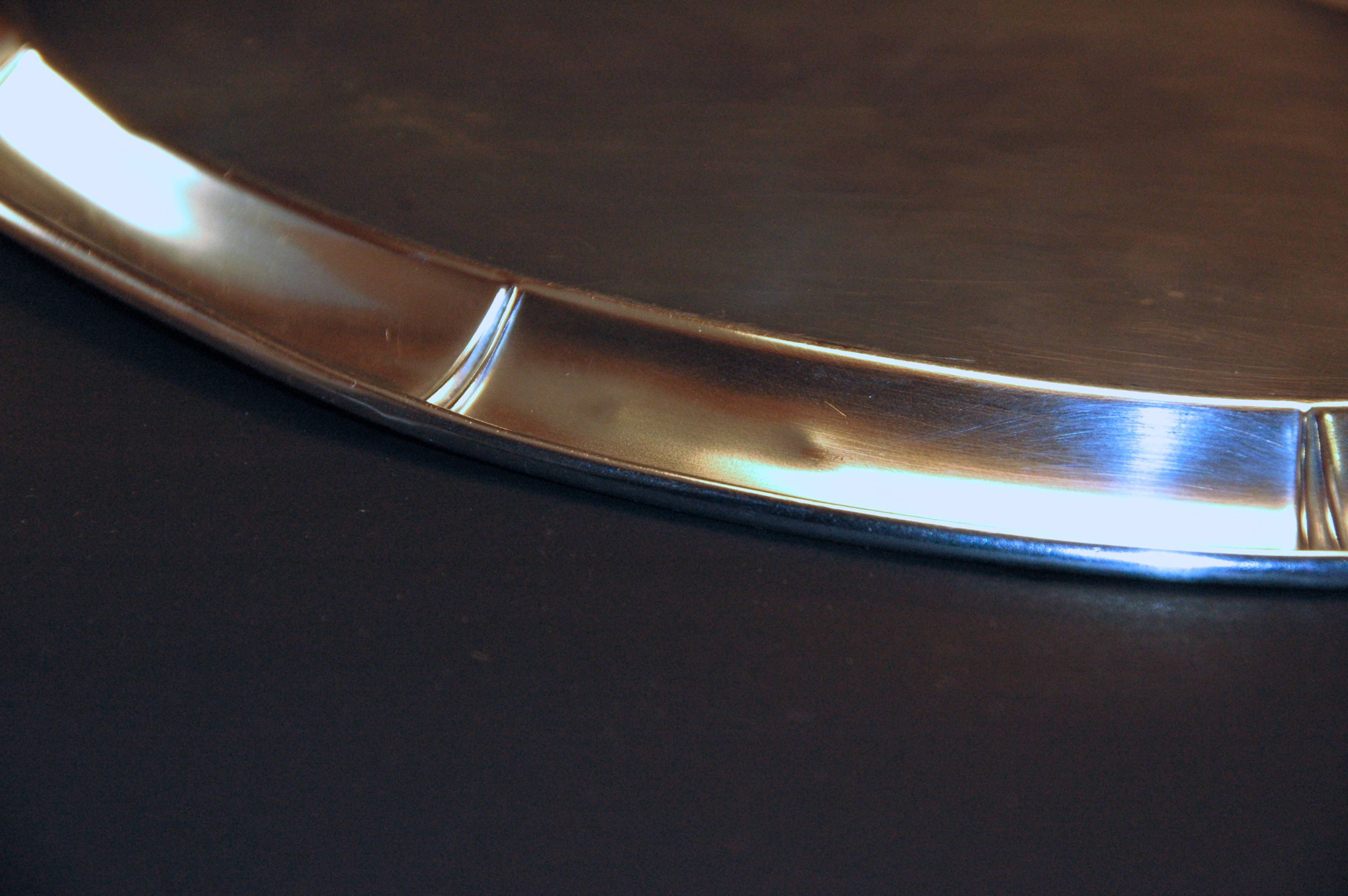
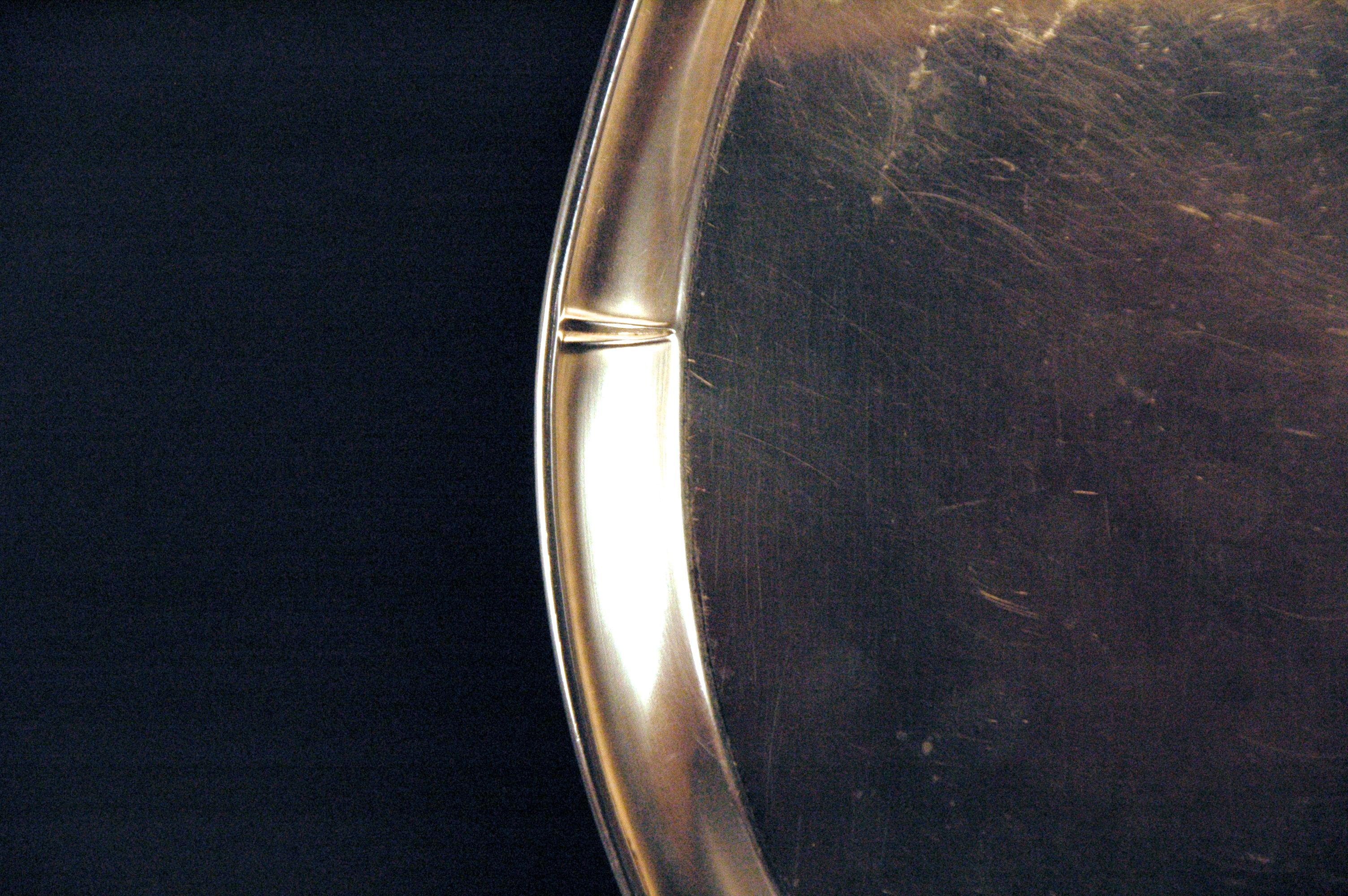
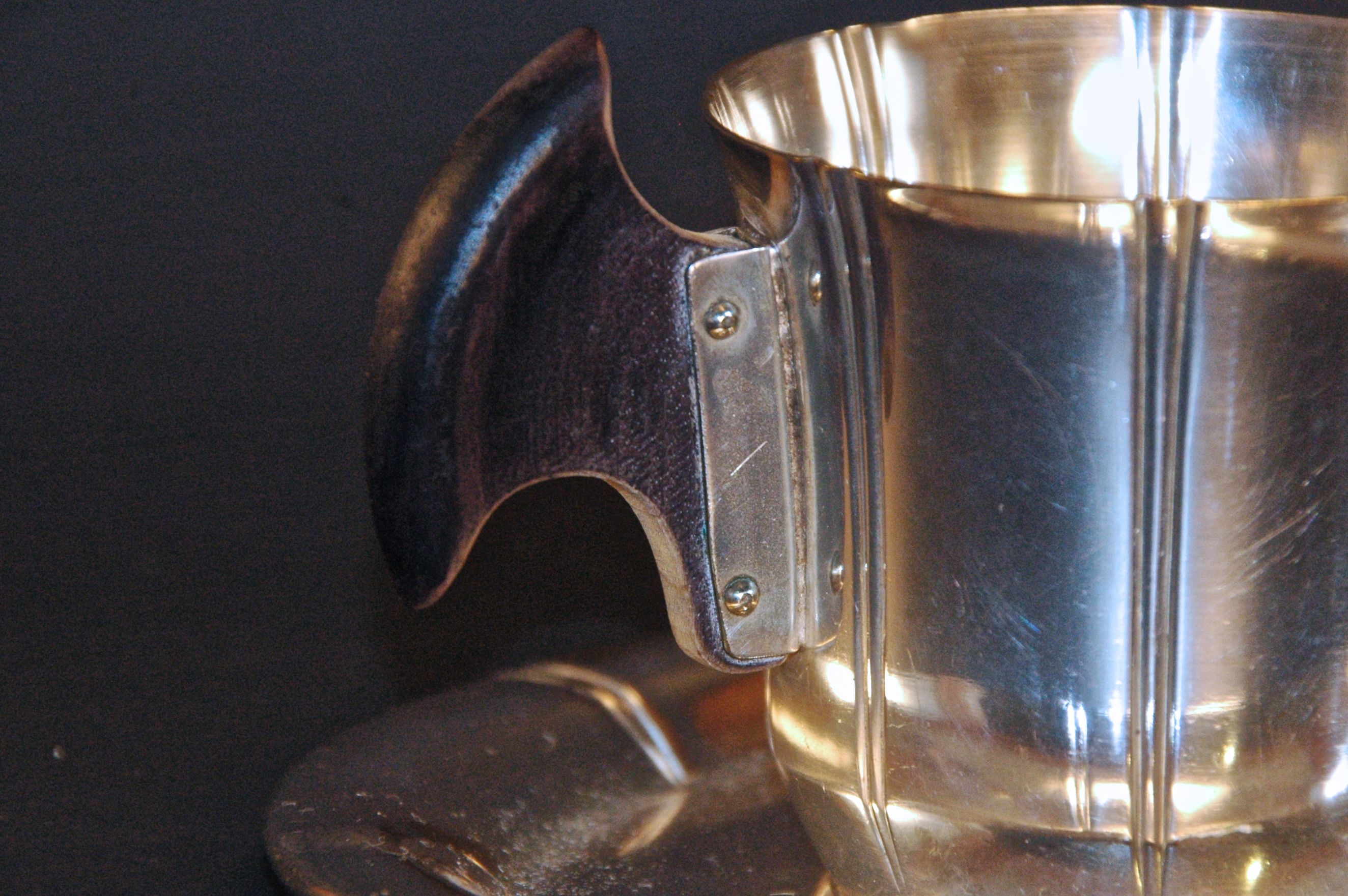
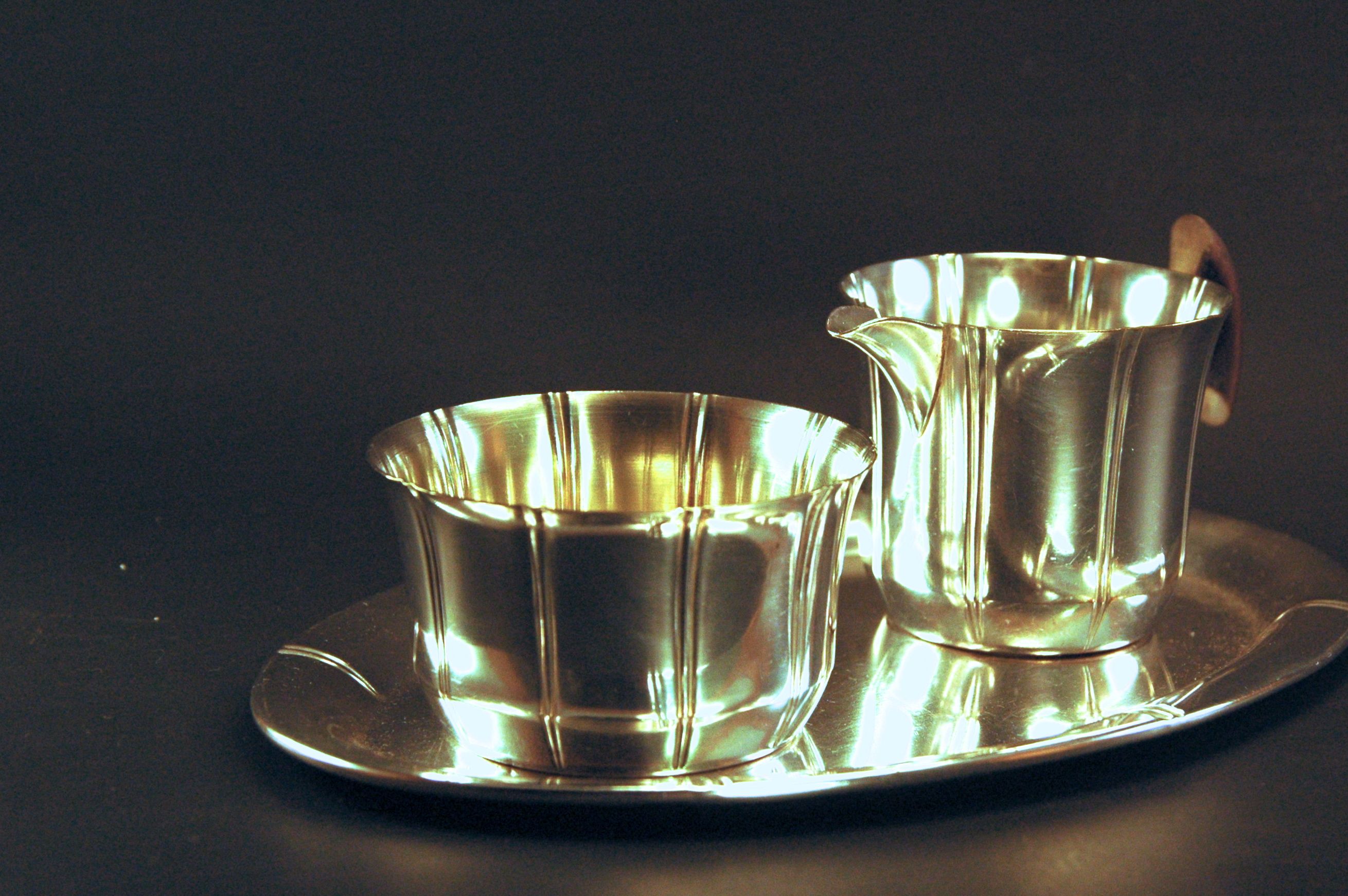
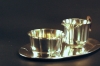
Gorgeous silver/silverplate sugar and creamer with tray. Creamer has wooden handles. The tray has a few dings and slight warps on the edges. The metal is very thin. I've More »
Gorgeous silver/silverplate sugar and creamer with tray. Creamer has wooden handles. The tray has a few dings and slight warps on the edges. The metal is very thin. I've had some questions about whether the tray is thin enough to fix the dings and bends and I believe it is. There are no maker's marks. « Less
|
|
Antiques
|
|
|
|
|
| Vendor Details |
Close |
| Contact Info : |
| Lana Kaye Pennington |
| Email : lakape@gmail.com |
| Phone : 8048364189 |
|
|
|
|
|
|
Price :
$850.00
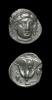
The island nation of Rhodes was an immensely successful commercial power of the Aegean. They strategically sided with Athens but, when in jeopardy, negotiated favorable More »
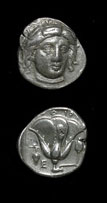
The island nation of Rhodes was an immensely successful commercial power of the Aegean. They strategically sided with Athens but, when in jeopardy, negotiated favorable surrenders to Sparta, Alexander the Great, and Demetrios Poliorketes, allowing them to sustain at least some degree of independence based on neutrality. Rhodes was named for the rose, depicted on the reverse of this coin. A portrait of Helios, the sun god, wearing a crown of rays graces the obverse. This image was based upon the head of the great statue of Helios, better known as the Colossus of Rhodes, one of the Seven Wonders of the Ancient World. The Colossus memorialized the war with Demetrios Poliorketes. He unsuccessfully attacked the city for over a year, around 305-304 B.C. Eventually, a settlement was negotiated and Poliorketes abandoned his siege towers constructed from valuable timbers that the Rhodeans in turn sold off for shipbuilding. The proceeds from this sale were invested in the huge (105 ft.) bronze statue of Helios standing at the entrance of the harbor. While the famous statue served as a reminder of the city's fortitude during the siege and became a tourist attraction, it only stood until 227 B.C. when it was toppled by an earthquake.
How many hands have touched a coin in your pocket or your purse? What eras and lands have the coin traversed on its journey into our possession? As we reach into our pockets to pull out some change, we rarely hesitate to think of who touched the coin before us, or where the coin will venture to after us. More than money, coins are a symbol of the state that struck them, of a specific time and place, whether currency in the age we live or an artifact of a long forgotten empire. This ancient coin is more than an artifact; it is a memorial to the glories of Rhodes passed from the hands of civilization to civilization, from generation to generation. - (C.7287) « Less
|
|
Ancient coins
|
|
|
|
|
| Vendor Details |
Close |
| Contact Info : |
| Barakat Gallery |
| 405 North Rodeo Drive |
| Beverly Hills |
| California-90210 |
| USA |
| Email : barakat@barakatgallery.com |
| Phone : 310.859.8408 |
|
|
|
|
|
|
|
|
|