|
Antiques
|
|
 |
|
|
|

Price :
$320.00
This is an exceptional Mid century vintage shippo yaki or japanese wireless enamel tray, complete in the original wooden signed box, interior packaging and descriptive More »
This is an exceptional Mid century vintage shippo yaki or japanese wireless enamel tray, complete in the original wooden signed box, interior packaging and descriptive brochure.
The senic motif is of Mt Fuji and landscape in bold wireless enamels. The tray is signed in the upper right corner.
Dimensions: About 5 3/4"(14.50cm) square
Condition: Excellent « Less
|
|
Antique Platters & Trays
|
|
|
|
|
| Vendor Details |
Close |
| Contact Info : |
| Sherri Garner |
| Email : mzdragonwoman@aol.com |
| Phone : 7164178593 |
|
|
|
|
|
|

Price :
$250.00
CHOISY LE ROI fine French Faience Pheasant plate, a rare 19th century find. This exceptionally beautiful faience plate is the companion piece to the mallard duck, (please see More »
CHOISY LE ROI fine French Faience Pheasant plate, a rare 19th century find. This exceptionally beautiful faience plate is the companion piece to the mallard duck, (please see my listing) and is highly sought after by collectors of early Quimper, and French faience. The plate is pre turn of the 19th century, signed HB for Hippolyte Boulenger & Cie. Choisey is renown for its high quality painting and animal plates.
Dimensions: 8.5 inches Diameter
Condition: Very good. A small hairline, and rim nick, quite common in plates of this age, hard to see, but visible in photo detail. « Less
|
|
Antique Plates & Chargers
|
|
|
|
|
| Vendor Details |
Close |
| Contact Info : |
| Sherri Garner |
| Email : mzdragonwoman@aol.com |
| Phone : 7164178593 |
|
|
|
|
|
|
Price :
$40.00
Since its earliest invention, glass was popular for jewelry and ornament. Its translucent brilliance attracted the eye, while its rich colors imitated rarer and more costly More »
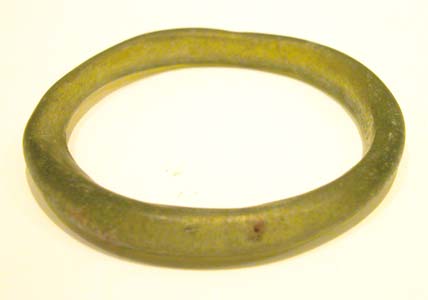
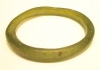
Since its earliest invention, glass was popular for jewelry and ornament. Its translucent brilliance attracted the eye, while its rich colors imitated rarer and more costly gems. This lovely bracelet dates to the Roman period, when the art of ancient glassmaking was at its height. Its narrow size indicates it was worn by a child. Utterly simple, it nonetheless conveys the impression of timeless style and beauty. It is colored an exquisite green, as if carved from emerald or peridot. We can imagine the person whose wrist it adorned long ago delighting in its charms as we still do today. - (GF.0254) « Less
|
|
Ancient Roman
|
|
|
|
|
| Vendor Details |
Close |
| Contact Info : |
| Barakat Gallery |
| 405 North Rodeo Drive |
| Beverly Hills |
| California-90210 |
| USA |
| Email : barakat@barakatgallery.com |
| Phone : 310.859.8408 |
|
|
|
|
|
|
Price :
Contact Dealer
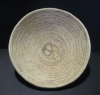
Inscribed with magic texts, these bowls were used to ward off evil spirits and protect family and property. Unearthed at relatively high levels of excavation, they were More »
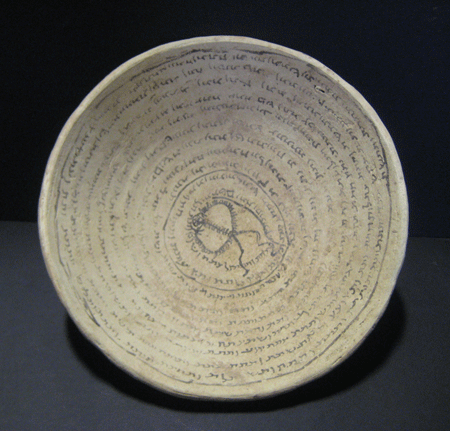
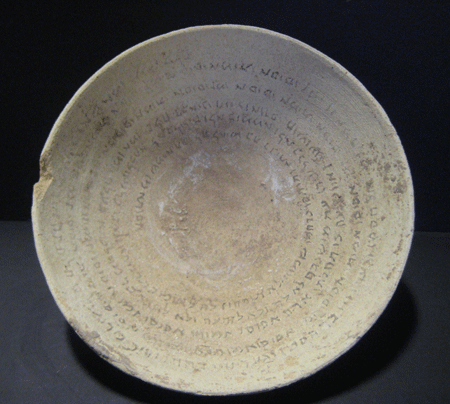
Inscribed with magic texts, these bowls were used to ward off evil spirits and protect family and property. Unearthed at relatively high levels of excavation, they were neglected by the nineteenth century pioneers of Mesopotamian archaeology who were more interested in discovering palace foundations and large-scale sculpture. In more recent years however their importance has been recognised and they have been studied in-depth.The incantations were written in a variety of Aramaic dialects including Jewish Aramaic, Mandaic and Syriac. There are also examples written in Pseudo-script, presumably by less literate scribes. Although the texts are not dated they are generally assigned to the late Sassanian/ early Islamic period (6th-8th century A.D.). Their main function was to trap evil spirits and they were often placed upside down at the corners of rooms, or built into foundations or cemeteries. The texts sometimes instruct them to be placed ‘at the four corners (of the room)’ for extra protection. The names of the clients for whom the bowls were made can be divided into two main categories- Semitic and Persian. However this is not always a reliable guide to their ethnicity. Jewish influence on the Mandaic inscriptions was minimal but is pronounced in the Aramaic incantations. Many of the scribes may have been Jewish or trained by Jews, and the Hebrew Bible is frequently quoted. Terracotta Incantation Bowl - LO.763Origin: Mesopotamia Circa: 500 AD to 800 ADDimensions: 2.5 " (6.4cm) high x 6.9 " (17.5cm) wide Collection: Near Eastern medium: Terracotta
« Less
|
|
Ancient Near East
|
|
|
|
|
| Vendor Details |
Close |
| Contact Info : |
| Barakat Gallery |
| 405 North Rodeo Drive |
| Beverly Hills |
| California-90210 |
| USA |
| Email : barakat@barakatgallery.com |
| Phone : 310.859.8408 |
|
|
|
|
|
|
Price :
Contact Dealer
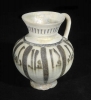
Slip Painted Earthenware Jug - AMD.169, Origin: Central Asia, Circa: 800 AD to 1000 AD, Dimensions: 6.1" (15.5cm) high x 5.7" (14.5cm) wide, Collection: Islamic Art, Style: More »
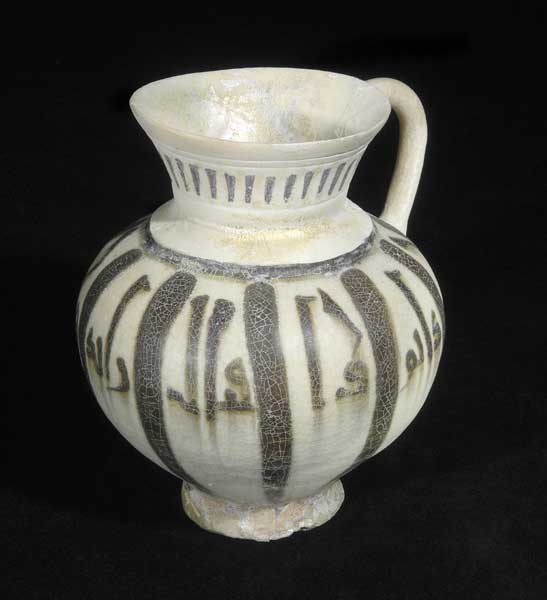
Slip Painted Earthenware Jug - AMD.169, Origin: Central Asia, Circa: 800 AD to 1000 AD, Dimensions: 6.1" (15.5cm) high x 5.7" (14.5cm) wide, Collection: Islamic Art, Style: Islamic, Medium: Earthenware, Condition: Extra Fine. The eastern Iranian slipwares to which category this jug belongs, were first collected from the old city of Samarqand, and were identified as Afrasiyab pottery; later the American excavations at Nishapur discovered similar types, and this site became the focus of attention. The East Iranian slip tradition was underway by the end of the 9th century and declined into the 11th century. The ambiguity of sparse archeological data undermines conclusions previously made about the various styles and quality of decoration found in this genre but probably at the heart of it was the existence of differentiated commercial markets and social groupings each with their own ideological and cultural backgrounds, for which supplies were commissioned. « Less
|
|
Ancient Near East
|
|
|
|
|
| Vendor Details |
Close |
| Contact Info : |
| Barakat Gallery |
| 405 North Rodeo Drive |
| Beverly Hills |
| California-90210 |
| USA |
| Email : barakat@barakatgallery.com |
| Phone : 310.859.8408 |
|
|
|
|
|
|
Price :
$1800.00
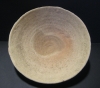
Inscribed with magic texts, these bowls were used to ward off evil spirits and protect family and property. Unearthed at relatively high levels of excavation, they were More »
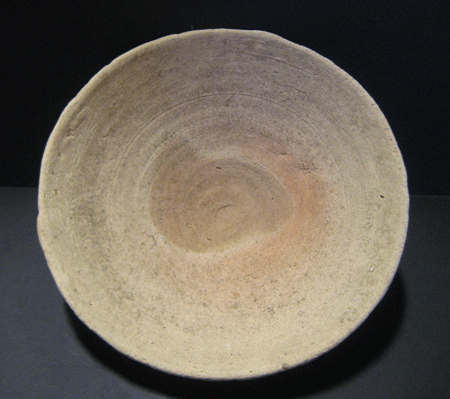
Inscribed with magic texts, these bowls were used to ward off evil spirits and protect family and property. Unearthed at relatively high levels of excavation, they were neglected by the nineteenth century pioneers of Mesopotamian archaeology who were more interested in discovering palace foundations and large-scale sculpture. In more recent years however their importance has been recognised and they have been studied in-depth.The incantations were written in a variety of Aramaic dialects including Jewish Aramaic, Mandaic and Syriac. There are also examples written in Pseudo-script, presumably by less literate scribes. Although the texts are not dated they are generally assigned to the late Sassanian/ early Islamic period (6th-8th century A.D.). Their main function was to trap evil spirits and they were often placed upside down at the corners of rooms, or built into foundations or cemeteries. The texts sometimes instruct them to be placed ‘at the four corners (of the room)’ for extra protection. The names of the clients for whom the bowls were made can be divided into two main categories- Semitic and Persian. However this is not always a reliable guide to their ethnicity. Jewish influence on the Mandaic inscriptions was minimal but is pronounced in the Aramaic incantations. Many of the scribes may have been Jewish or trained by Jews, and the Hebrew Bible is frequently quoted. Terracotta Incantation Bowl - LO.763Origin: Mesopotamia Circa: 500 AD to 800 ADDimensions: 2.5 " (6.4cm) high x 6.9 " (17.5cm) wide Collection: Near Eastern medium: Terracotta
« Less
|
|
Ancient Near East
|
|
|
|
|
| Vendor Details |
Close |
| Contact Info : |
| Barakat Gallery |
| 405 North Rodeo Drive |
| Beverly Hills |
| California-90210 |
| USA |
| Email : barakat@barakatgallery.com |
| Phone : 310.859.8408 |
|
|
|
|
|
|

Price :
$650.00
ART NOUVEAU DORE BRONZE CANDLESTICKS, France 19th century. Elegant and imposing with amazingly sharp details. The highlights and patina are mellowed RICH dore bronze. More »
ART NOUVEAU DORE BRONZE CANDLESTICKS, France 19th century. Elegant and imposing with amazingly sharp details. The highlights and patina are mellowed RICH dore bronze. Dimensions: 12 1/4"(31cm) Height.
3 1/2"(9cm) Top Width
6"(15.35cm) Condition: Excellent, no damage or repairs. « Less
|
|
Antique Candlesticks & Holders
|
|
|
|
|
| Vendor Details |
Close |
| Contact Info : |
| Sherri Garner |
| Email : mzdragonwoman@aol.com |
| Phone : 7164178593 |
|
|
|
|
|
|
Price :
$6500.00
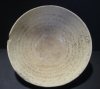
Inscribed with magic texts, these bowls were used to ward off evil spirits and protect family and property. Unearthed at relatively high levels of excavation, they were More »
Inscribed with magic texts, these bowls were used to ward off evil spirits and protect family and property. Unearthed at relatively high levels of excavation, they were neglected by the nineteenth century pioneers of Mesopotamian archaeology who were more interested in discovering palace foundations and large-scale sculpture. In more recent years however their importance has been recognised and they have been studied in-depth.The incantations were written in a variety of Aramaic dialects including Jewish Aramaic, Mandaic and Syriac. There are also examples written in Pseudo-script, presumably by less literate scribes. Although the texts are not dated they are generally assigned to the late Sassanian/ early Islamic period (6th-8th century A.D.). Their main function was to trap evil spirits and they were often placed upside down at the corners of rooms, or built into foundations or cemeteries. The texts sometimes instruct them to be placed ‘at the four corners (of the room)’ for extra protection. The names of the clients for whom the bowls were made can be divided into two main categories- Semitic and Persian. However this is not always a reliable guide to their ethnicity. Jewish influence on the Mandaic inscriptions was minimal but is pronounced in the Aramaic incantations. Many of the scribes may have been Jewish or trained by Jews, and the Hebrew Bible is frequently quoted. Terracotta Incantation Bowl - LO.763Origin: Mesopotamia Circa: 500 AD to 800 ADDimensions: 2.5 " (6.4cm) high x 6.9 " (17.5cm) wide Collection: Near Eastern medium: Terracotta « Less
|
|
Ancient Near East
|
|
|
|
|
| Vendor Details |
Close |
| Contact Info : |
| Barakat Gallery |
| 405 North Rodeo Drive |
| Beverly Hills |
| California-90210 |
| USA |
| Email : barakat@barakatgallery.com |
| Phone : 310.859.8408 |
|
|
|
|
|
|
Price :
Contact Dealer
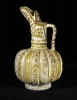
Kashan Lustre Ewer with Fluted Body - AMD.170, Origin: Central Asia, Circa: 1200 AD to 1250 AD, Dimensions: 12.8" (32.5cm) high x 7.3" (18.5cm) wide, Collection: Islamic Art, More »
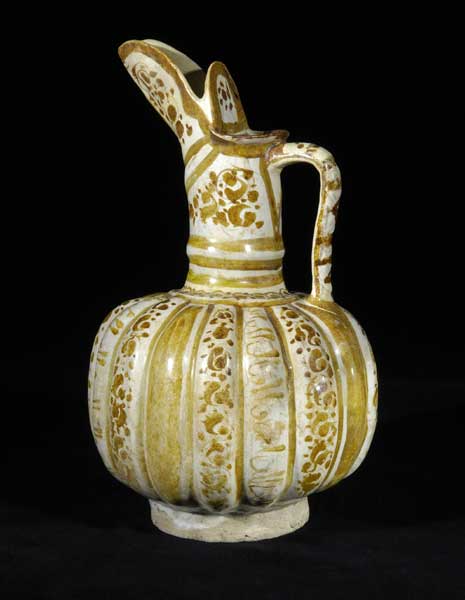
Kashan Lustre Ewer with Fluted Body - AMD.170, Origin: Central Asia, Circa: 1200 AD to 1250 AD, Dimensions: 12.8" (32.5cm) high x 7.3" (18.5cm) wide, Collection: Islamic Art, Style: Kashan, Medium: Fritware, Condition: Restored. The inscription reads: In cursive, in Arabic: "Perpetual Glory, and increasing Prosperity, and triumphant Victory...", In cursive, in Persian: "The good world became young, God's willing. So that the tears of the heart is taken through. « Less
|
|
Ancient Near East
|
|
|
|
|
| Vendor Details |
Close |
| Contact Info : |
| Barakat Gallery |
| 405 North Rodeo Drive |
| Beverly Hills |
| California-90210 |
| USA |
| Email : barakat@barakatgallery.com |
| Phone : 310.859.8408 |
|
|
|
|
|
|
Price :
$2400.00
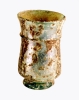
Designed with elegant simplicity, this drinking cup was first used when the Roman Empire was at its height. What drink might it have contained and whose lips might it have More »
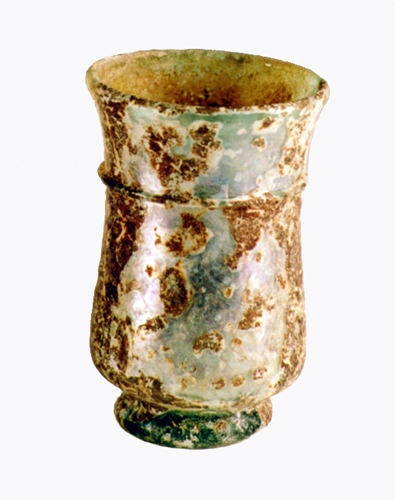
Designed with elegant simplicity, this drinking cup was first used when the Roman Empire was at its height. What drink might it have contained and whose lips might it have refreshed in that vanished age? Perhaps it held Gallic wine downed by a thirsty centurion. A Judean lady might have sipped cool well water while gossiping with her friends. An actor might have cleansed his voice with juice between acts of a play. From an object like this, used in an everyday context, we can reconstruct an entire world in our imaginations. - (GF.0255) « Less
|
|
Ancient Roman
|
|
|
|
|
| Vendor Details |
Close |
| Contact Info : |
| Barakat Gallery |
| 405 North Rodeo Drive |
| Beverly Hills |
| California-90210 |
| USA |
| Email : barakat@barakatgallery.com |
| Phone : 310.859.8408 |
|
|
|
|
|
|
|
|

|