|
Antiques
|
|
 |
|
|
|

Price :
Contact Dealer
RED LACQUER CINNABAR PANEL 19th Century. Superbly and deeply carved, Scholars gather in an ornate garden and pagoda setting.
Square form with flared sides, Scholars are More »
RED LACQUER CINNABAR PANEL 19th Century. Superbly and deeply carved, Scholars gather in an ornate garden and pagoda setting.
Square form with flared sides, Scholars are flanked by attendants all in a detailed landscape of pine, willow and Chinese parasol trees. The side are carved with cartouches of peony, chrysanthemum and camellia foliate lotus sprays at the corners, all reserved on diaper grounds.
Dimensions: 9 1/2" x 9 1/2"(24cmx24cm) Condition: Fine, some scratches on back, appropriate for the period. No missing lacquer,no chips. « Less
|
|
Asian Porcelain & Pottery
|
|
|
|
|
| Vendor Details |
Close |
| Contact Info : |
| Sherri Garner |
| Email : mzdragonwoman@aol.com |
| Phone : 7164178593 |
|
|
|
|
|
|
Price :
Contact Dealer
Inscribed with magic texts, these bowls were used to ward off evil spirits and protect family and property. Unearthed at relatively high levels of excavation, they were More »
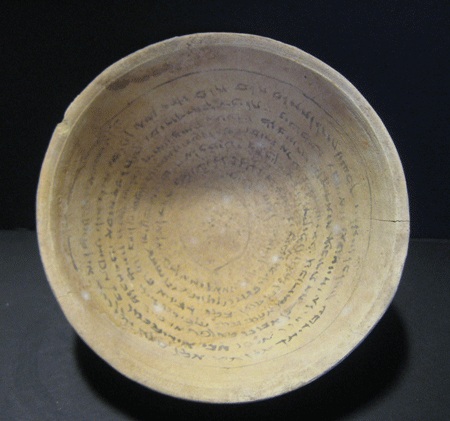
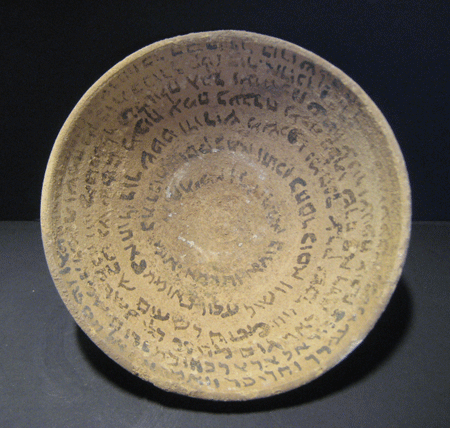
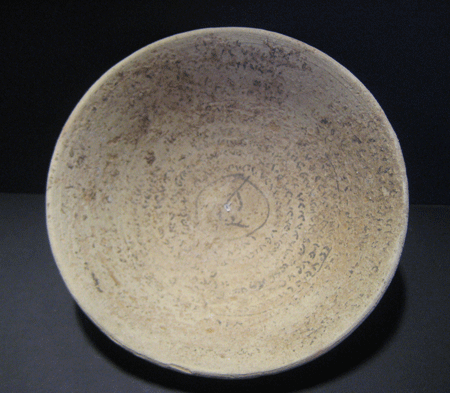
Inscribed with magic texts, these bowls were used to ward off evil spirits and protect family and property. Unearthed at relatively high levels of excavation, they were neglected by the nineteenth century pioneers of Mesopotamian archaeology who were more interested in discovering palace foundations and large-scale sculpture. In more recent years however their importance has been recognised and they have been studied in-depth.The incantations were written in a variety of Aramaic dialects including Jewish Aramaic, Mandaic and Syriac. There are also examples written in Pseudo-script, presumably by less literate scribes. Although the texts are not dated they are generally assigned to the late Sassanian/ early Islamic period (6th-8th century A.D.). Their main function was to trap evil spirits and they were often placed upside down at the corners of rooms, or built into foundations or cemeteries. The texts sometimes instruct them to be placed ‘at the four corners (of the room)’ for extra protection. The names of the clients for whom the bowls were made can be divided into two main categories- Semitic and Persian. However this is not always a reliable guide to their ethnicity. Jewish influence on the Mandaic inscriptions was minimal but is pronounced in the Aramaic incantations. Many of the scribes may have been Jewish or trained by Jews, and the Hebrew Bible is frequently quoted. Terracotta Incantation Bowl - LO.763Origin: Mesopotamia Circa: 500 AD to 800 ADDimensions: 2.5 " (6.4cm) high x 6.9 " (17.5cm) wide Collection: Near Eastern medium: Terracotta
« Less
|
|
Ancient Near East
|
|
|
|
|
| Vendor Details |
Close |
| Contact Info : |
| Barakat Gallery |
| 405 North Rodeo Drive |
| Beverly Hills |
| California-90210 |
| USA |
| Email : barakat@barakatgallery.com |
| Phone : 310.859.8408 |
|
|
|
|
|
|
Price :
Contact Dealer
Islamic Glazed Cosmetic, or Artist Pallette - AMD.193, Origin: Central Asia, Circa: 800 AD to 1200 AD, Dimensions: 1.8" (4.6cm) high x 8.5" (21.6cm) wide, Collection: Islamic More »
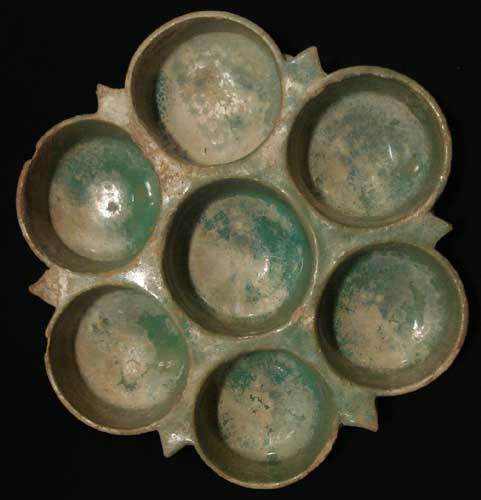
Islamic Glazed Cosmetic, or Artist Pallette - AMD.193, Origin: Central Asia, Circa: 800 AD to 1200 AD, Dimensions: 1.8" (4.6cm) high x 8.5" (21.6cm) wide, Collection: Islamic Art, Medium: Glazed Earthenware. « Less
|
|
Ancient Near East
|
|
|
|
|
| Vendor Details |
Close |
| Contact Info : |
| Barakat Gallery |
| 405 North Rodeo Drive |
| Beverly Hills |
| California-90210 |
| USA |
| Email : barakat@barakatgallery.com |
| Phone : 310.859.8408 |
|
|
|
|
|
|

Price :
$975.00
Faience pottery figurine statues "farmer and bull", "milk maid and cow" in soft rust, accented with unusual hand painted Imari details on the bovines. Exceptionally rare and More »
Faience pottery figurine statues "farmer and bull", "milk maid and cow" in soft rust, accented with unusual hand painted Imari details on the bovines. Exceptionally rare and winsome,statues, forerunners of QUIMPER, which display beautifully, authentic period Country French Faience from the 19th century. Signed on bases by maker.
Dimensions: Height 5 inches
Length 6 inches
Width 3.5 inches
Condition: Very good. A chip to the horn on the cow figure, easily restored. No repairs. « Less
|
|
Antique Figurines & Statues
|
|
|
|
|
| Vendor Details |
Close |
| Contact Info : |
| Sherri Garner |
| Email : mzdragonwoman@aol.com |
| Phone : 7164178593 |
|
|
|
|
|
|
Price :
$2500.00
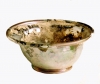
So elusive is the beauty of this ancient bowl that it seems spun out of dreams. Time has patinated its surface with a silvery gleam like moonlight on water. Its shape can More »
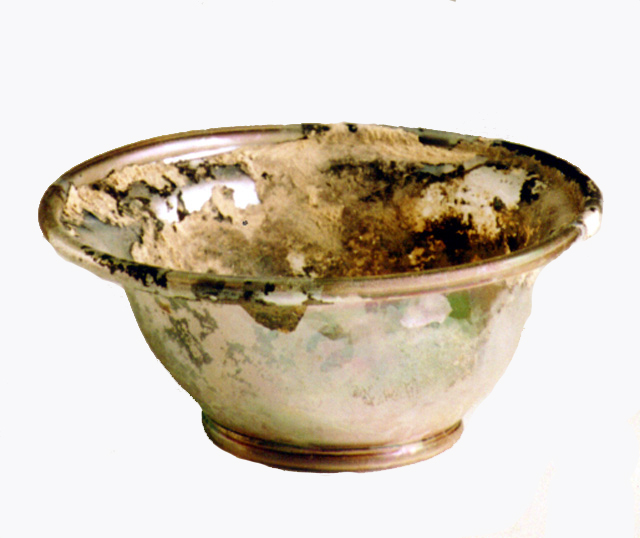
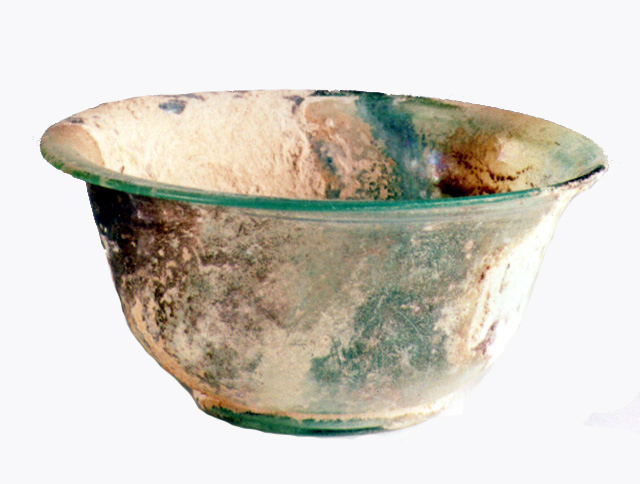
So elusive is the beauty of this ancient bowl that it seems spun out of dreams. Time has patinated its surface with a silvery gleam like moonlight on water. Its shape can only be described as "classic", transcending all boundaries of time and culture. It delights us today as surely as it did the ancient Roman who owned it first. What is most amazing is that something so delicate should have survived the ages intact when so much else has vanished. We close our eyes, but unlike a dream, its beauty lingers on. - (GF.0259) « Less
|
|
Ancient Roman
|
|
|
|
|
| Vendor Details |
Close |
| Contact Info : |
| Barakat Gallery |
| 405 North Rodeo Drive |
| Beverly Hills |
| California-90210 |
| USA |
| Email : barakat@barakatgallery.com |
| Phone : 310.859.8408 |
|
|
|
|
|
|
Price :
Contact Dealer
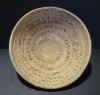
Inscribed with magic texts, these bowls were used to ward off evil spirits and protect family and property. Unearthed at relatively high levels of excavation, they were More »
Inscribed with magic texts, these bowls were used to ward off evil spirits and protect family and property. Unearthed at relatively high levels of excavation, they were neglected by the nineteenth century pioneers of Mesopotamian archaeology who were more interested in discovering palace foundations and large-scale sculpture. In more recent years however their importance has been recognised and they have been studied in-depth.The incantations were written in a variety of Aramaic dialects including Jewish Aramaic, Mandaic and Syriac. There are also examples written in Pseudo-script, presumably by less literate scribes. Although the texts are not dated they are generally assigned to the late Sassanian/ early Islamic period (6th-8th century A.D.). Their main function was to trap evil spirits and they were often placed upside down at the corners of rooms, or built into foundations or cemeteries. The texts sometimes instruct them to be placed ‘at the four corners (of the room)’ for extra protection. The names of the clients for whom the bowls were made can be divided into two main categories- Semitic and Persian. However this is not always a reliable guide to their ethnicity. Jewish influence on the Mandaic inscriptions was minimal but is pronounced in the Aramaic incantations. Many of the scribes may have been Jewish or trained by Jews, and the Hebrew Bible is frequently quoted. Terracotta Incantation Bowl - LO.763Origin: Mesopotamia Circa: 500 AD to 800 ADDimensions: 2.5 " (6.4cm) high x 6.9 " (17.5cm) wide Collection: Near Eastern medium: Terracotta
« Less
|
|
Ancient Near East
|
|
|
|
|
| Vendor Details |
Close |
| Contact Info : |
| Barakat Gallery |
| 405 North Rodeo Drive |
| Beverly Hills |
| California-90210 |
| USA |
| Email : barakat@barakatgallery.com |
| Phone : 310.859.8408 |
|
|
|
|
|
|
Price :
Contact Dealer
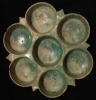
Islamic Glazed Cosmetic, or Artist Pallette - AMD.195, Origin: Central Asia, Circa: 800 AD to 1200 AD, Dimensions: 1.5" (3.8cm) high x 8.5" (21.6cm) wide, Collection: Islamic More »
Islamic Glazed Cosmetic, or Artist Pallette - AMD.195, Origin: Central Asia, Circa: 800 AD to 1200 AD, Dimensions: 1.5" (3.8cm) high x 8.5" (21.6cm) wide, Collection: Islamic Art, Medium: Glazed Earthenware. « Less
|
|
Ancient Near East
|
|
|
|
|
| Vendor Details |
Close |
| Contact Info : |
| Barakat Gallery |
| 405 North Rodeo Drive |
| Beverly Hills |
| California-90210 |
| USA |
| Email : barakat@barakatgallery.com |
| Phone : 310.859.8408 |
|
|
|
|
|
|
Price :
$2500.00
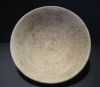
Inscribed with magic texts, these bowls were used to ward off evil spirits and protect family and property. Unearthed at relatively high levels of excavation, they were More »
Inscribed with magic texts, these bowls were used to ward off evil spirits and protect family and property. Unearthed at relatively high levels of excavation, they were neglected by the nineteenth century pioneers of Mesopotamian archaeology who were more interested in discovering palace foundations and large-scale sculpture. In more recent years however their importance has been recognised and they have been studied in-depth.The incantations were written in a variety of Aramaic dialects including Jewish Aramaic, Mandaic and Syriac. There are also examples written in Pseudo-script, presumably by less literate scribes. Although the texts are not dated they are generally assigned to the late Sassanian/ early Islamic period (6th-8th century A.D.). Their main function was to trap evil spirits and they were often placed upside down at the corners of rooms, or built into foundations or cemeteries. The texts sometimes instruct them to be placed ‘at the four corners (of the room)’ for extra protection. The names of the clients for whom the bowls were made can be divided into two main categories- Semitic and Persian. However this is not always a reliable guide to their ethnicity. Jewish influence on the Mandaic inscriptions was minimal but is pronounced in the Aramaic incantations. Many of the scribes may have been Jewish or trained by Jews, and the Hebrew Bible is frequently quoted. Terracotta Incantation Bowl - LO.763Origin: Mesopotamia Circa: 500 AD to 800 ADDimensions: 2.5 " (6.4cm) high x 6.9 " (17.5cm) wide Collection: Near Eastern medium: Terracotta « Less
|
|
Ancient Near East
|
|
|
|
|
| Vendor Details |
Close |
| Contact Info : |
| Barakat Gallery |
| 405 North Rodeo Drive |
| Beverly Hills |
| California-90210 |
| USA |
| Email : barakat@barakatgallery.com |
| Phone : 310.859.8408 |
|
|
|
|
|
|

Price :
$1400.00
A rare and early Qing dynasty basin, with famille rose border and unusual figural details, of a Mandarin noblewoman, figural personages possibly portraying a legend, iron red More »
A rare and early Qing dynasty basin, with famille rose border and unusual figural details, of a Mandarin noblewoman, figural personages possibly portraying a legend, iron red bats to the interior.
The basin dates to late 18th century hand painted with unusual interior details in grayed palette to the Chinese taste, rather than for export.
*Please see a similar color palette on a basin sold recently in last photo, my listing number 490657. Dimensions: Width 12 Inches
Condition: Excellent for period, no repairs, chips or hairlines. « Less
|
|
Asian Porcelain & Pottery
|
|
|
|
|
| Vendor Details |
Close |
| Contact Info : |
| Sherri Garner |
| Email : mzdragonwoman@aol.com |
| Phone : 7164178593 |
|
|
|
|
|
|
Price :
$3600.00
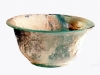
Created with simple, pure lines in the palest sky blue, this splendid bowl appeals as much to modern tastes as it surely did to Roman ones. There is not an unnecessary detail More »
Created with simple, pure lines in the palest sky blue, this splendid bowl appeals as much to modern tastes as it surely did to Roman ones. There is not an unnecessary detail in its flowing curves, nothing to intrude upon its perfect symmetry. As we delight in its elegance, we share our pleasure with people who lived when Rome ruled the world. This splendid bowl offers proof to the saying that, "a thing of beauty is a joy forever." - (GF.0266) « Less
|
|
Ancient Roman
|
|
|
|
|
| Vendor Details |
Close |
| Contact Info : |
| Barakat Gallery |
| 405 North Rodeo Drive |
| Beverly Hills |
| California-90210 |
| USA |
| Email : barakat@barakatgallery.com |
| Phone : 310.859.8408 |
|
|
|
|
|
|
|
|

|